Skip to content


Did you know owning a floating home doesn’t always mean you can live there year-round? Many people think buying a floating house means they can move in right away. But actually laws vary location to location. Like one marina may welcome floating homes while another can ban them outright. That’s why you must know the local rules first.
In this article, you will learn what to check to find a legal spot for your floating home.
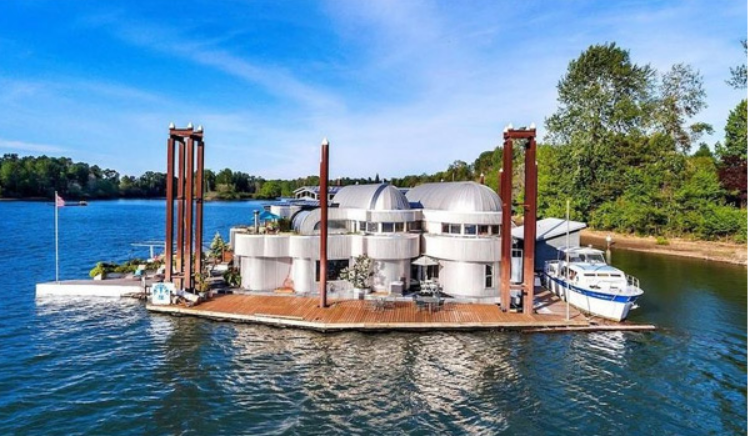
A Floating Home is not Automatically Legal for Full Time Living
Owning a floating home doesn’t automatically let you live on the water full time. Many people assume that once they buy a houseboat, they can just move in. In reality, that most of the time isn’t true. For example: Seattle requires “floating homes to be in a legally-established floating home moorage” with sewer and water connections.
Most marinas require you to apply for permission to live aboard. And some places simply ban permanent liveaboards entirely. Therefore, you must have to follow local rules.
Many areas treat floating homes like special structures. For example: Seattle requires owners to register their floating home and carry a city-issued ID number. Owning the home alone is not enough; you must have to use an approved location.
Why Location matters more Than the Floating Home itself
The hard fact is location matters more than the floating home itself. The same floating house may be legal in one harbor and illegal in another. Every city, county or marina sets their own rules. For example: Seattle requires any new mooring location to meet its shoreline codes before you move your house there. Generally, marinas for floating homes can only exist in zones approved for residential use.
Moreover, floating home laws can even vary by state. In one state, a float home might be treated like a “vessel” while in another it is treated like a “land residence”. Let’s understand this with a simple example:two marinas on the same lake can have different permits. One might allow year-round floating homes. And the other does not.
Always check that your chosen location meets all requirements for a residential moorage.
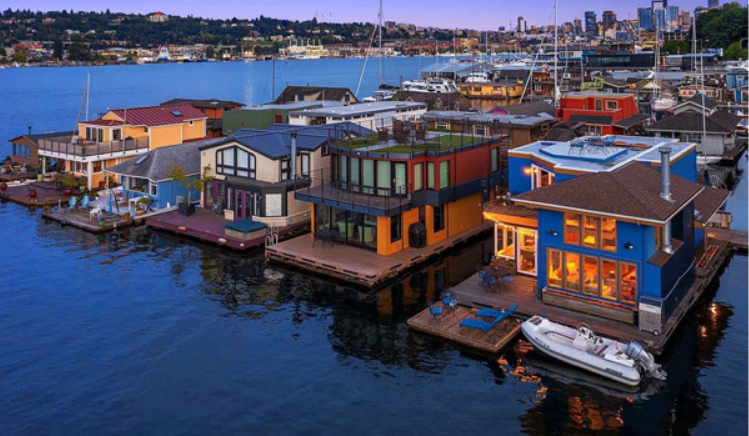
Where Floating Home Living is Usually Allowed
Many floating home owners find that only special communities or marinas will accept them. These are:
- Floating home communities:
Planned residential marinas where houses float together like a neighborhood. These sites are made for living. Also, they normally have shore utilities (water, power, sewer) hooked up to every floating home.
- Liveaboard-friendly marinas:
Some boat marinas “allow a limited number of people to live on their boats or houseboats”. They sell or lease special liveaboard slips for long-term use. You must qualify for these spots (mostly with insurance and a background check).
- Special waterfront zones:
A few cities have designated specific docks or areas for floating residences. If one exists, it means the location is approved by law for people to live on the water. These zones usually have their own regulations.
Always check the specific site before you decide. Every marina or community has their own rules about who can live there.
Floating Home Community vs Liveaboard Marina
At this point you may want to know if floating home community and liveaboard marina are the same thing?
A floating home community is basically a planned neighborhood on the water. Everyone there owns or leases a floating house and pays fees for the dock. The community provides full utilities and services for year-round living just like a land neighborhood. These communities mostly have waiting lists and strict rules to keep things stable. People there may even get mail delivery and street lights just like on land. Residents pay fees to cover maintenance and shared expenses.
A liveaboard marina is basically built for boats. It may allow a few people to live on board. But it treats them more like tenants. These marinas can change their rules or fees at any time. These marinas focus on boaters and visitors but not on creating a housing community.
If you want stability and full services, a floating home community is normally the safe choice.
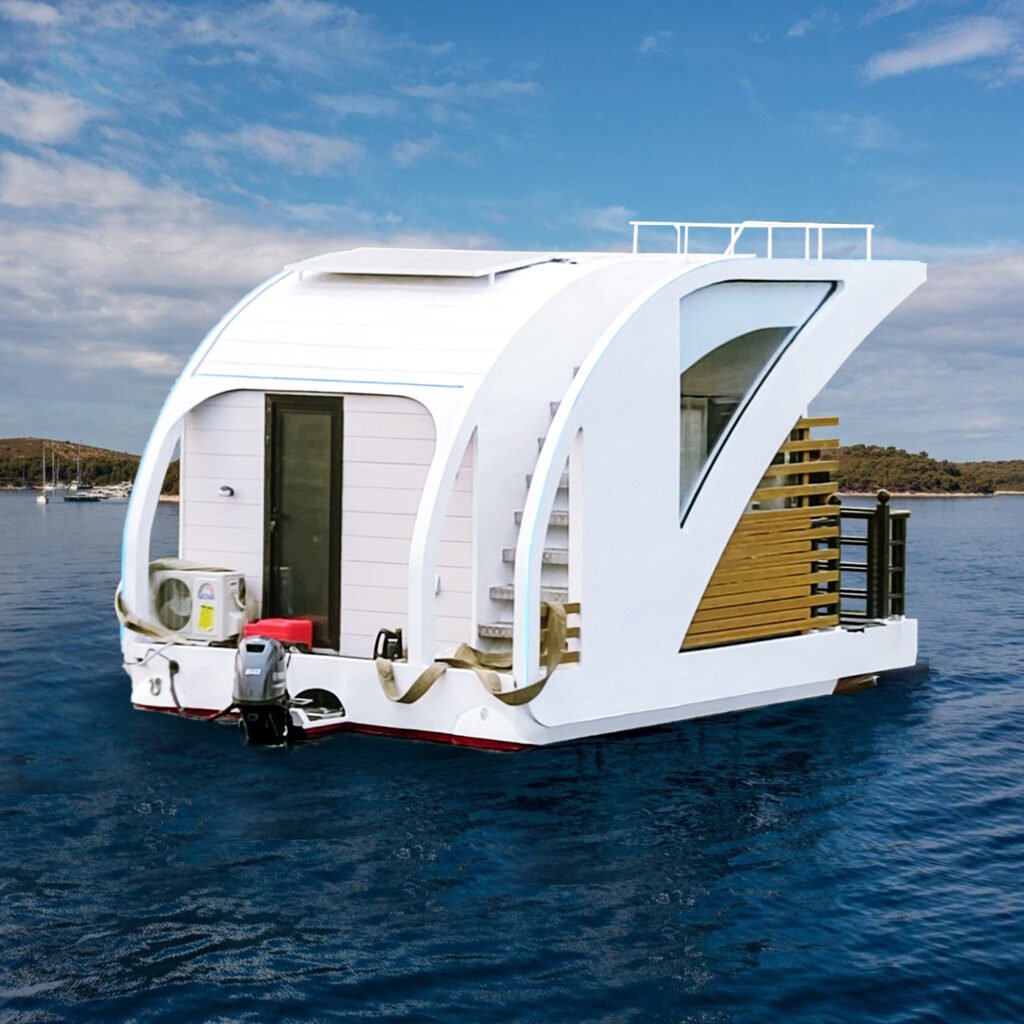
Why some Floating Homes can be Used for Short Stays but Not Permanent Residence
You may find floating homes advertised as “vacation rentals” or “seasonal cottages”. But that doesn’t mean you can live there permanently. Most of the time floating homes may be zoned only for short-term or seasonal use. Even if the owner rents it out, the local code still forbids year-round residence.
So to avoid any trouble, always check whether a floating home is approved for year-round residency before you buy or rent. Like, a full-time rental listing can still violate local rules. Better to check with the marina or city first.
What Buyers should Check before Choosing a Floating Home Location
- Full-time residency:
The first thing needed to check is that the marina or moorage explicitly allows you to live on the floating home year-round. Some places only permit boats or short visits. For example, in Seattle, floating homes need to be in approved residential moorages.
- Approved slip or berth:
The next thing is making sure that the exact slip or berth you get is approved for a floating home. The dock and location have to be zoned for residency, not just for “transient boats”.
- Transferability:
The next is to find out if the moorage can transfer with the home when you buy it. Mostly you own the floating house itself but rent the dock space. And make sure that your right to use the slip comes with the sale of the house.
- Utility hookups:
The very important is confirming that the site has permanent connections to water, electricity and sewer. Floating homes basically need continuous shore utilities (not just portable tanks) to qualify as “real residences”.
- Classification:
The next is to ask how local code classifies the floating home (residence vs vessel). This basically affects the rules and permits you need (like, building codes or boating laws). Also, find out if the community needs any “special permits” or homeowners association membership.
- Taxes and fees:
The last important thing to ask is how floating homes are taxed or what fees apply. Some areas tax them like houses and some others like boats or vessels. Also, there may be property tax or docking fees.
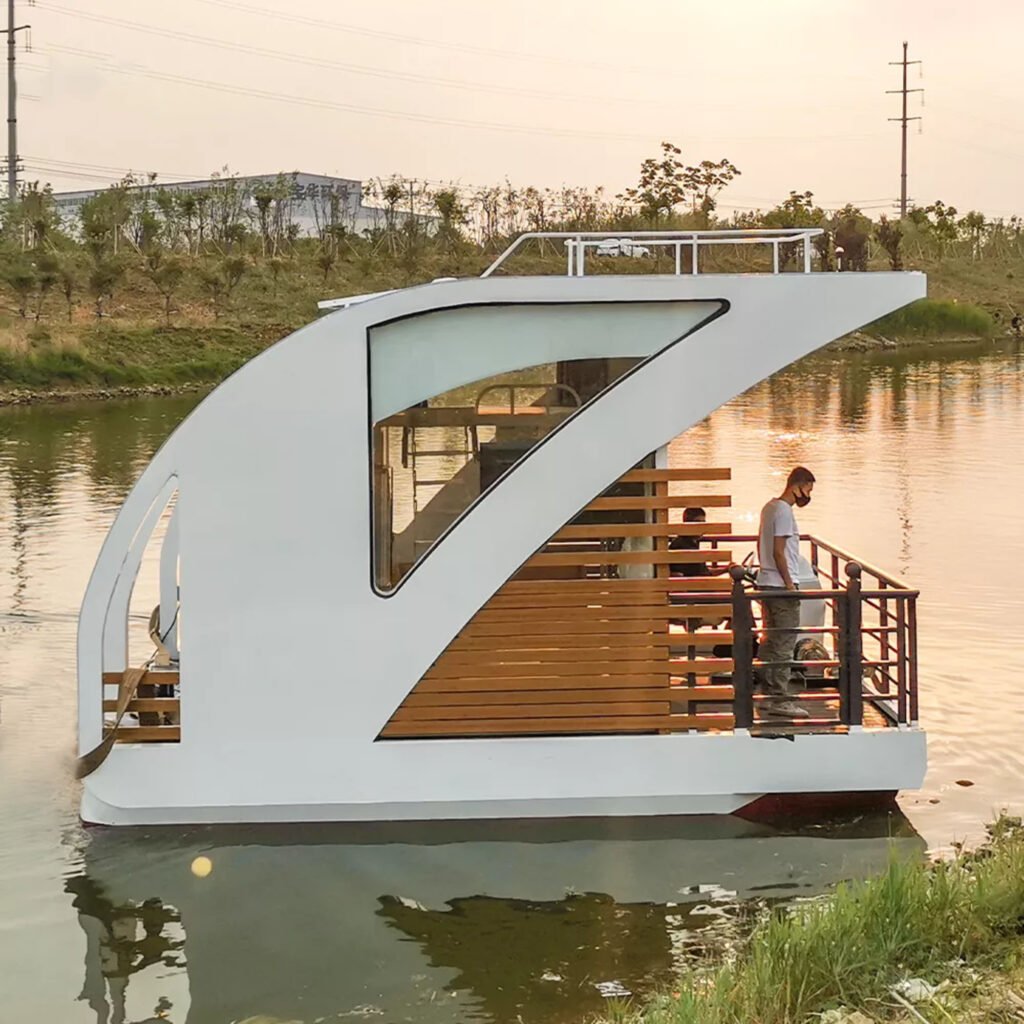
Examples of Places Known for Floating Home Living
You can find floating or water-based living in many parts of the world. These places show how it works in real life:
➜ Amsterdam is one of the most famous examples of floating home living. This city has more than “2,500 houseboats” along its canals. In IJburg, people now build modern floating homes with proper utilities. This shows that floating living works well when cities plan for it.
➜ In Seattle, you will find floating homes in Lake Union. But you cannot place them anywhere. This city allows them only in approved moorages. This clearly shows how strict location rules can be.
➜ Sausalito sits near San Francisco Bay. It has a well-known floating home community. Many floating homes look creative and high-end. This shows that some people choose this lifestyle, not just because they need housing.
➜ Toronto has a small floating home area at Bluffer’s Park Marina. The city controls these homes closely. This again shows that rules depend on the exact location.
➜ Some places follow older traditions. The Uros Islands on Lake Titicaca are made from “reeds”. People have been living there for generations. This actually clears that living on water is not a new idea.
➜ Other places reflect older lifestyles. Aberdeen Harbour had long-time boat communities. In the Iraq Marshlands, people still live on floating reed islands that move with water levels.
➜ In Kampong Phluk near Tonle Sap Lake, people build “homes on tall stilts”. And you know water levels change during the year. So they raise their homes to stay safe. This shows how people adjust to water conditions.
➜ Ganvié on Lake Nokoué is mostly called the “Venice of Africa.” People use boats for daily travel and live fully on water. This shows how a full community can depend on water.
➜ In Bandar Seri Begawan, the area of Kampong Ayer is like a full town on water. This area has schools, mosques and services. People live there just like they do on land.
All these examples show that floating homes exist all over the world. This means you can live on water in many places. But you can only do it where the law allows it. This is why checking local regulations before settling in a new location always comes first.
Conclusion
The sum up is living on a floating home comes down to where you choose to live. You have to pick a dock or marina that is approved for year-round homes. Plus, you need to follow all the local rules.
If you are really curious about living on the water, then talk to a floating home specialist or seller. Because they can briefly guide you which marinas allow full time residences and which do not. They will clearly explain to you about local laws, insurance requirements and leases. The biggest plus of working with an expert is to avoid doing all the research yourself.