Skip to content


Are you trying to decide if a detachable container house is right for you? It may sound simple, but the choice can feel confusing. Different designs suit different needs. Some work better for living. Others fit business or temporary use.
Don’t worry, in this guide, you will learn key questions about detachable container houses. Also, you will learn how they are used, how long they last, and what to consider before buying. By the end, you will know if this housing solution fits your space, budget, and plans.
1) What Are Detachable Container Houses Commonly Used For?
Detachable container houses are versatile and practical. You can use them for many purposes. Many people use them as temporary housing on construction sites or in remote areas. Also, you can set them up as small offices, temporary shops, or cafes. Some people use them as cabins or guest rooms for vacations.
Well, you can also convert them into classrooms or workshops. Their design is flexible. You can also move them when needed. It is perfect for temporary projects. You can place them in urban areas, villages, or on the waterfront.
Furthermore, businesses often use them for quick storage or extra workspace. People also like them for emergency housing after natural disasters. Their modular structure helps you to easily adjust your space to your needs. So it is easy to use one or several containers. So they are suitable for personal and business purposes.
2) Are Detachable Container Houses Meant for Long-Term or Temporary Use?
Detachable container homes are mostly built for temporary use. But if built properly, they are also suitable for long-term use. You can set them up quickly, which is great for construction sites, events, or emergency housing.
Also, you can easily move them when the project is finished. Well, some people use them as seasonal housing or vacation cabins. For permanent housing, a strong structure and adequate insulation are essential.
Also, it is important to look at local building codes. With upgrades like heating, cooling, and plumbing, it can last for many years. You can also design it like a traditional home. Furthermore, the intended use and level of strength determine whether it is long-term or temporary housing. Flexibility is what you get, but durability is key for long-term housing.
3) How Easy Is It to Transport and Install a Detachable Container Home?
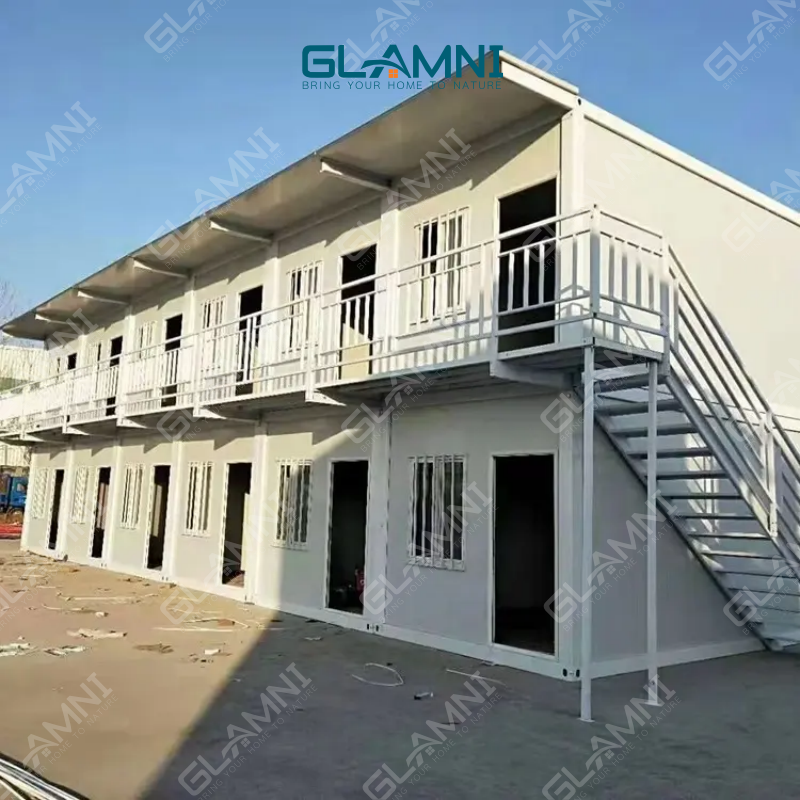
A detachable container house is easier to transport and install than a traditional building. It can be moved by truck or crane, depending on the size. It does not require heavy construction to be installed. Well, you can place it on flat ground or on a prepared foundation. Some models include pre-installed doors and windows, which speeds up installation.
Moreover, you can easily connect or disconnect sections when needed. It is ideal for temporary projects or relocations. Also, it is possible to install it even with limited tools or experience. Professionals can install it in a few hours to a few days, depending on the complexity of the project. Labour costs are also lower than those of traditional homes. Its portability gives you convenience and flexibility.
4) How Strong and Stable Is a Detachable Container House?
Detachable container houses are made of strong materials, usually steel. This makes them durable and stable. You can count on them to withstand wind, rain, and normal weather conditions. Also, the corners and frames are reinforced for extra strength. There is no need to worry about the structure collapsing in normal use. Some models include additional support for stacking more containers or for carrying more weight.
Well, proper installation is important for stability. A good foundation prevents shaking or sinking. You can also install insulation and panels without affecting the strength. Extreme weather conditions, for example, storms or earthquakes, may need extra precautions. Overall, these houses provide a reliab
5) What Is Included in a Standard Detachable Container House?
A standard detachable container house includes basic features that make it ready for immediate use. You get walls, a roof, and a floor, which are usually made of steel or other durable materials. Doors and windows are also included, often pre-installed. Some houses also have basic insulation for temperature control. Depending on the model, electrical wiring and plumbing may also be included.
Some units come with simple lighting, sockets, and water connections already installed. The interior space is usually open, so you can design it to your needs. Some models may include furniture or storage, but most come as an empty shell. You can add heating, cooling, or other equipment later.
6) Can Detachable Container Houses Be Combined or Expanded?
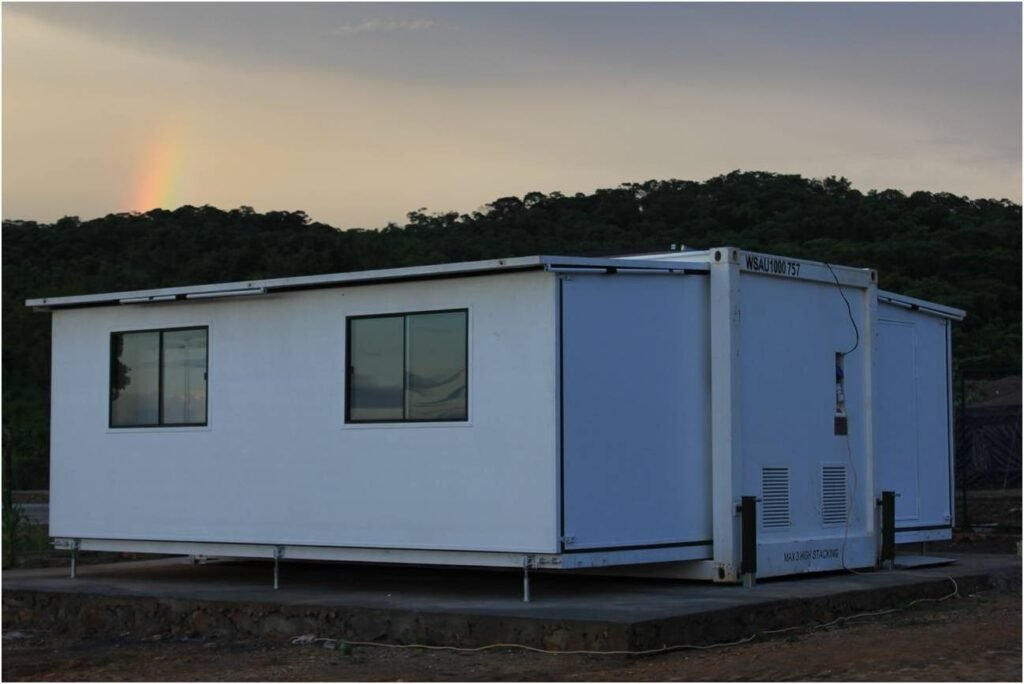
Yes, detachable container houses can be combined or expanded as you need them. You can place several units side by side or stack them on top of each other to create more space. This is perfect for larger living areas, offices, or classrooms. Also, you can connect units through doorways, corridors, or open spaces. Expansion is flexible; you can start with one unit and add more later.
Well, some models are specifically designed for easy assembly, with the frames and connectors being the same. The interior space can also be designed to suit your life or business. The modular design allows you to create different shapes and sizes without having to build a large structure. You can also separate or move units when needed. Also, this flexibility is a big reason why people love detachable houses.
7) Are There Legal or Approval Issues to Consider?
Yes, there can be legal and permitting issues when installing a detachable container home. Regulations vary depending on your area. You may need a building permit or approval from local authorities before installation. Some areas have restrictions on size, height, or number of units. You may also need to follow safety and zoning laws. Additional permits may be required for utilities such as water, electricity, and sewage.
Regulations can be stricter if you plan to use the home for permanent residence. Approvals for temporary or seasonal use are usually easier. It is important to check the laws before purchasing or installing. Consulting with local authorities or a professional saves time and prevents problems. Meeting legal requirements will keep your home safe and compliant.
8) What Kind of Maintenance Do Detachable Container Houses Require?
a) Regular structural inspection: First of all, regular inspections are essential to keep your detachable container home in good condition. Check the steel walls and frames for rust, stains, or any damage. Early detection can prevent major problems.
b) Exterior protection: Next, painting or coating the exterior surface protects it from rain, sun, and moisture. A new coat also makes the house look clean and fresh. Some people install a roof cover or canopy to protect it from severe weather.
c) Doors, windows, and locks: After that, you check doors, windows, and locks regularly. Make sure they open and close properly and are well-sealed. Proper doors and windows provide safety and comfort.
d) Plumbing and electrical systems: Also, you should check the plumbing and electrical systems occasionally. Fix leaks, loose wires, or bad connections immediately. Proper maintenance prevents major problems and ensures proper system performance.
e) Interior cleaning and maintenance: Well, you keep the interior clean, sweep, and vacuum regularly. A clean interior not only looks good but also protects against wear and tear. Protect the structure by washing the exterior walls and windows.
f) Foundation and stability: Afterwards, you check the foundation or supports to make sure the house is level and stable. Fix any tilt or sinkage immediately. Stability is essential for safety and long-term use.
g) Preventive maintenance: At last, treat small problems first. Fix rust spots, leaks, or minor damage immediately. Preventive maintenance prevents costly repairs and extends the life of the house.
9) How Do Detachable Container Houses Perform in Different Climates?
- Performance in hot weather: First of all, detachable container houses can be hotter in hot weather because steel absorbs heat. You can improve comfort with insulation, ventilation and air conditioning. Reflective paint or shades on the outside can also help keep the interior temperature down.
- Performance in cold weather: Next, a steel house can feel cold in cold weather. Proper insulation, double-glazed windows and heating systems provide warmth. Good sealing prevents drafts and energy loss.
- Performance in rainy or humid areas: Then, steel can rust in humid environments. Regular exterior coating and leak checks are essential. Provide good drainage to prevent water from pooling around the house.
- Performance in windy areas: Also, these houses are stable and can withstand strong winds with proper anchoring. Additional support may be required when stacking multiple units.
- Weather flexibility: After that, you can adjust the house for different seasons. Add a fan or air conditioning for warmth, heating for cold weather, and covers for rain.
10) Who Are Detachable Container Houses Usually a Good Fit For?
i) Construction and project teams: First of all, detachable container houses are perfect for construction sites. Teams can set them up quickly and move them around as needed. They provide offices, bedrooms or storage without the need for a permanent structure.
ii) Event organisers: Next, these houses provide flexible space for events, fairs or temporary exhibitions. You can use them as a ticket booth, information centre or pop-up shop. They can also be easily removed when the event is over.
iii) Small businesses and start-ups: Also, businesspeople can use them as a shop, café or studio. They are cheaper and quicker to set up than traditional buildings. You can expand or relocate as your business grows.
iv) Remote residents and seasonal users: After that, people living in remote areas or using seasonal homes can rely on them. They provide comfortable accommodation without the need for a permanent structure.
v) Emergency and disaster use: Well, these houses can be quickly set up in disaster-stricken areas for temporary accommodation, clinics or offices.
vi) General Flexibility: At last, they are suitable for any person or organisation that needs temporary, portable, or modular space. Students, hobbyists, and travellers can also benefit. They are flexible and effective.
Final Thoughts
In short, detachable container houses offer you flexibility and ease of use. You can move, expand and adapt them to different needs. Also, they are suitable for you as a home, businesses and temporary projects. Moreover, with proper planning, insulation and maintenance, they can last for many years. Well, you’re sure to consider the purpose and local laws before making a decision.
They become a practical solution when used correctly. Furthermore, we at Glamni offer you comfortable and easy-to-install detachable container houses. Contact us today for more information and orders.