Skip to content


You may have seen detachable container houses used as site offices or camp housing. These modular units have gained global traction because they are fast to deploy and flexible to reuse. One key difference is that pricing is usually by unit, not by square foot.
A detachable container house typically costs by the unit and varies with size, structure, insulation, interior package, and order volume. Standard units are more predictable in price, while custom layouts, higher load ratings, and added systems increase cost.
In this article, you will learn the typical price ranges of detachable container houses, the main cost factors to consider, and how to estimate the real budget for your project before ordering. Keep reading!
1. Typical Costs for Detachable Container Houses
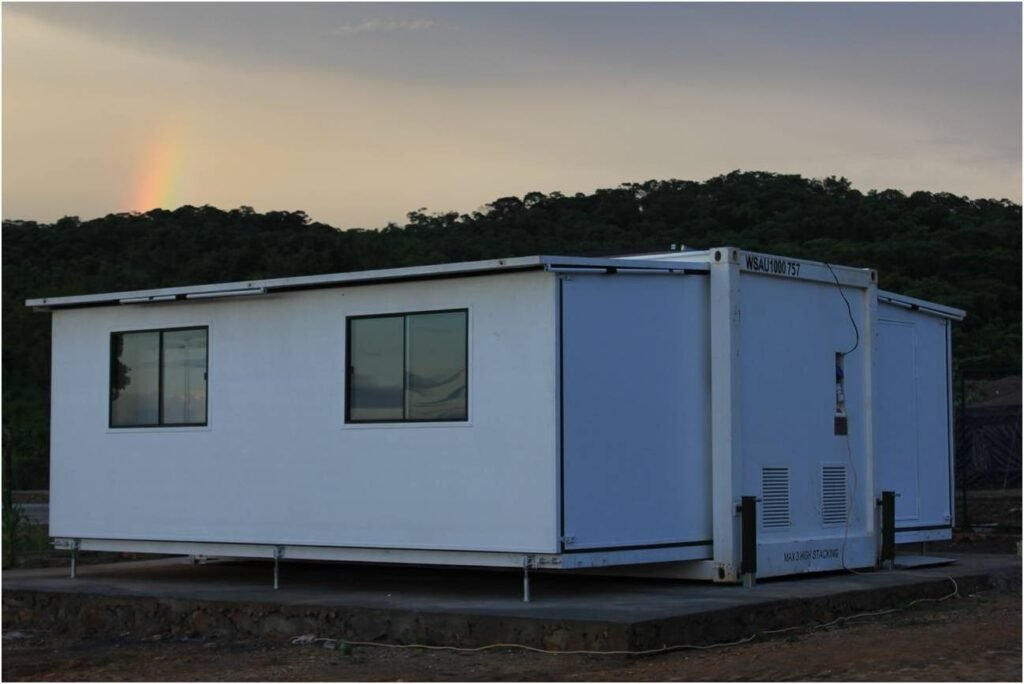
You will usually find prices quoted per module, not per square foot. Manufacturers mostly break down prices by what is included. Here are:
- Basic structural unit (shell only): You will get just the steel frame and panels. This costs the least. For example, a 20ft shell can be around US$700-1200.
- Standard livable unit (basic interior finish): In this, you can add flooring, walls and paint. These units may be around $10000-35000.
- Fully equipped unit: You will include insulation, a bathroom, kitchen and utilities. This will have the highest cost. Like, finished container houses start around $60000.
But the exact price depends on different factors like materials, customization and order size. But of course, prices vary by region and supplier. So, always ask for detailed quotes. For example, a factory in one country may charge less while a local dealer includes shipping and markup. Also buying in bulk can cut per-unit cost. And also check if a quote includes delivery and installation.
2. Factors affecting the cost of Detachable Container Houses
Unit size and Layout configuration:
You have to decide between a single-room unit or a multi-room layout. A larger or multi-unit layout costs more. Standard 20ft/40ft modules are cheaper. If you want custom sizes or to stack units, then expect extra fees. Because base price depends on design and materials.
Structural and Material Specifications:
You can choose steel thickness and panel type. Thicker steel or panels cost more. If your site needs extra wind or seismic ratings, that adds cost. Premium insulation and higher-grade windows also raise the price upfront. Adding heating or cooling systems will also increase the expense.
Interior Configuration Level:
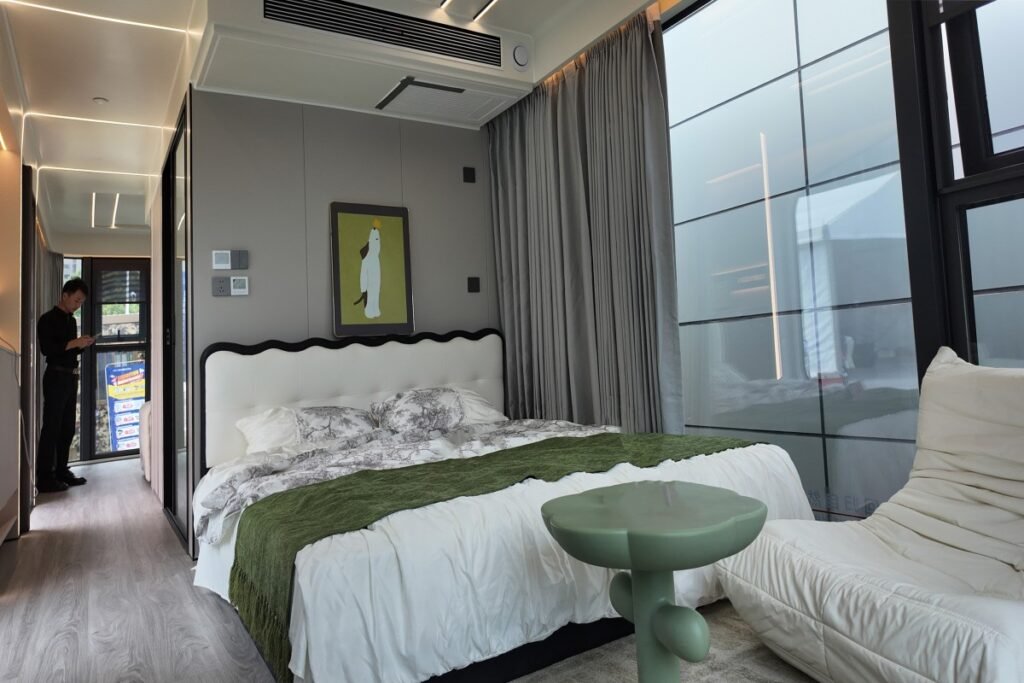
You can buy an empty shell or add interior features. Basic finishes (simple flooring, wall paint) are cheap. While adding luxury materials raises the price. More features like built-in furniture or smart systems, full bathroom or kitchen will raise the total further.
Order Quantity:
Buying just one unit is pricey per piece. You save when ordering multiple. In fact, planning and bulk ordering mostly earn volume discounts. If you need many units, manufacturers can reduce the price per module significantly.
3. Additional Costs to Consider
Transportation and Logistics:
You pay to ship the modules. This covers sea freight, port handling and inland transport. These costs vary by distance. For example, ocean freight, port clearance and taxes can add up. Remote or inland sites add more trucking cost. Actually, shipping a container kit internationally may cost thousands of dollars more than the total project.
On-Site assembly and installation:
You basically need crew and equipment to bolt units together. A crane rental and labor add cost. Lifting a unit into place costs time and money. You also need a foundation or leveling base. Pouring a concrete slab or building piers costs extra. A strong, flat base ensures stability but raises the initial budget.
Utilities and site services:
You must connect water, sewer, electricity and internet. The cost depends on how far you are from hookups. Extending cables and pipes over long runs also adds expense. For remote sites without grid access, you may need to add a septic tank, well or generator, which will definitely raise the budget.

Permits and local approvals:
You will surely need permits, inspections or engineering plans. Of course, fees vary by location. And you may need permits and inspections before setup. Urban areas mostly treat these like buildings. So they require full approval. Rural or temporary uses may have simpler rules. The thing is zoning, safety codes and inspections can add hundreds or more to your project cost.
4. Cost Comparison: Detachable Container Houses vs Traditional Houses
You can compare the main cost factors side by side:
Cost Factor | Detachable Container House | Traditional Houses |
Pricing Method | Per unit / configuration | Per square foot |
Construction Time | Days to weeks | Several months |
Labor Cost | Low | High |
Expansion | Modular and flexible | Expensive and complex |
Relocation | Possible | Not practical |
5. Is a Detachable Container House a cost-effective choice?
A detachable container house makes sense for certain uses. For example, you can use this house as a:
- Construction site offices: You can use these units as offices or meeting rooms on a job site.
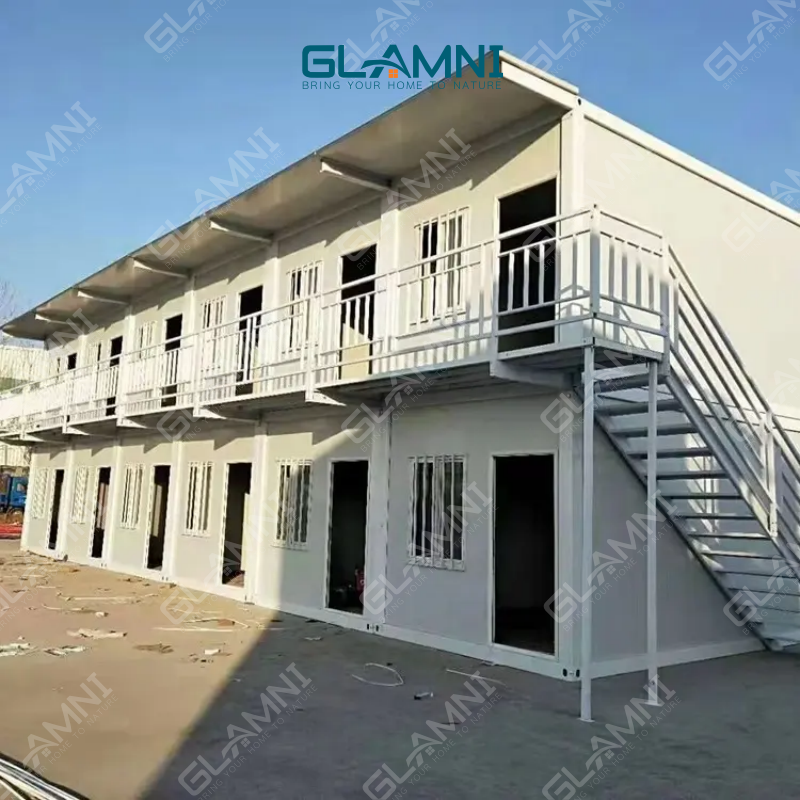
- Worker dormitories: You can house labor crews in connected modules.
- Temporary or semi permanent camps: You can create temporary camps quickly for events, mining or relief efforts.
- Rapid deployment projects: You can set up living or work spaces fast when time is tight.
However, some factors can raise the cost:
- High-end residential interiors: You add luxury finishes or customized layouts. This raises the price (finished modules start around $60,000).
- Strict local building codes: You have to meet strong regulations (insulation, anchors, etc.). This increases costs.
- Small orders with high logistics cost: If you buy only a few units, then you will lose bulk discounts and pay more for shipping.
Conclusion
Now you have clear details to plan the budget for a detachable container house. If you use them the right way, you can literally save time and reduce labor costs. When you understand those cost factors early, you will definitely lower the risk of budget loss later.
Are you looking for an exact price? Then you have to contact the container house supplier and request a custom quote. You should also compare quotes from more than one manufacturer. This step may help you in adjusting the design according to your budget. Many suppliers offer free quotes or basic consultations, so you can review options before you decide.