Skip to content


Can a portable home actually last as long as a traditional house? Many people think portable means short-lived, but modern portable houses are built to today’s standards and use strong materials that make them far more durable than older models.
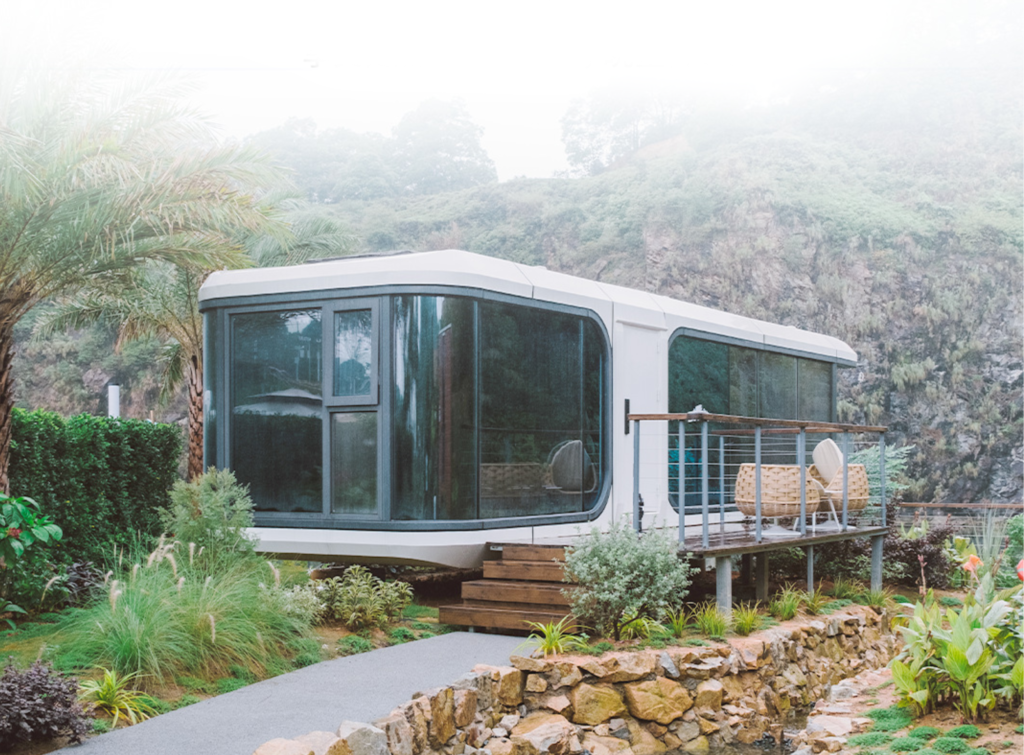
Portable homes can last 30–50 years and often 30–60 years with proper maintenance. Their lifespan is supported by factory-built precision, engineered steel or timber frames, controlled insulation, moisture protection, and compliance with the same codes used for small modular or prefab homes.
In this article you will learn what portable houses are, what affects their lifespan, and how to plan materials, maintenance, and installation so your portable home performs reliably for decades.

What portable houses are
Many of you may not know that portable houses include manufactured houses, modular houses, container houses and similar designs. These are mostly built in a factory and then moved to your site. Some arrive on wheels or are set on a steel frame (like mobile homes) and others come in sections that workers join on location.
For example: mobile houses are built off site and delivered to be installed on the land. You may also see tiny houses on wheels (small homes on trailers) or prefab vacation cabins. However, container houses use steel shipping containers converted into living spaces.
People basically place these portable houses in places needing quick and flexible housing. Like on campgrounds, at resorts, in mobile home parks or even as backyard offices.
The interesting part is, you’ll mostly find them in rural areas or at job sites where traditional houses aren’t practical. In almost each type, these homes are designed to be moved rather than built entirely on site.
How long portable houses usually last
You can expect a portable home to last decades if you care for it well. As mentioned earlier, many experts report that modern portable houses live about 30-50 years.
For example, Home Nation says “a HUD approved mobile home will typically last between 30 to 50 years with regular upkeep”.
Some say “prefab houses can last for 30 to 50 years or even as long as traditional houses”. If you use top-quality materials and keep it maintained, your home can live even longer.
Moreover container houses are similar: a well maintained container house can last 25-50 years or more. For context, that’s on par with many site-built homes. A good foundation also helps. If you set your house on a solid foundation and anchor it well, it mostly outlasts one left on blocks or wheels.
Therefore, with steady maintenance you can get multiple decades of use out of a portable home.
What affects their lifespan the most
Many factors determine how long these portable houses will last. Here are some:
- Materials and construction:
Houses built with strong frames (steel or high grade wood) and quality walls resist wear longer. For example, brick or concrete walls and a steel frame usually outlast simple wood framing. Even roofing and floors matter: a torn roof or leaky window can let water in and cause big damage.
- Installation and moisture control:
Next, how the home is set up also matters most. If it is placed on a wet or unstable foundation without barriers, it will surely deteriorate faster. In humid or rainy areas, you need to have moisture barriers and good sealing. In fact, most manufacturers warn to “keep the house dry”. If your house is in a damp climate area, then install water resistant layers. Plus keep it well-ventilated so rot and mold don’t take hold.
- Weather and climate:
The most important thing to note is extreme weather conditions shorten any house’s life. If you live in a hurricane zone or heavy snow area, then you must design your home for that. In very hot, rainy or snowy regions you have to use materials rated for those conditions to protect the structure.
- Daily use and maintenance:
Frequent use or heavy foot traffic wears out interiors faster. Like, many resorts report that high volume visitors’ models face more wear than privately used ones. To avoid this problem, stay on top of minor issues as they come up: replace that cracked caulk, tighten any loose screws and patch any leaks the moment you notice them. Neglecting issues lets damage grow. Don’t forget to keep an eye out for pests too – termites, rodents and mold can all damage a house if it isn’t properly sealed and ventilated.
In short, houses you care for last much longer than those you don’t.
Portable houses vs Traditional homes
When you look at it, portable houses can last just as long as traditional ones… if they are built and maintained well. You may have heard the myth that they are only temporary, but actually that myth is now outdated. In fact, many prefab homes strictly meet the same building codes as traditional houses. They use similar insulation, wiring and strong frames. However, factory construction means each part is inspected carefully under strict standards. So the quality is high.
In short, don’t think of your portable home as disposable. But you can treat it like any long-term house and expect decades of use when it’s made and maintained rightly.
Lifespan in resorts, glamping sites and outdoor settings
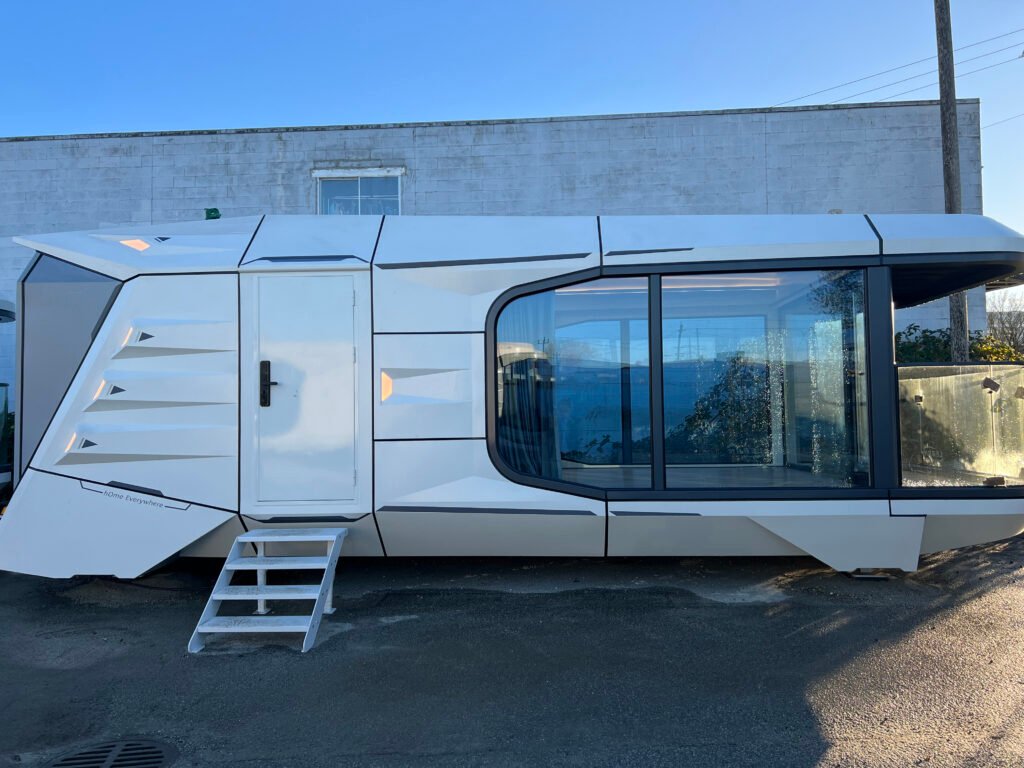
When you use portable houses outdoors (for example, at resorts, glamping sites or camps), weather and guests put extra strain on them. Your portable units face wind, sun, rain and heavy foot traffic constantly. Because of that, these use very durable designs. For example, many glamping pods use marine grade steel and weatherproof fabrics “chosen not just for looks but for longevity”. With that level of design and care, many pods last 15-25 years or more even with daily guest use. Still, high-turnover sites wear out quicker.
Moreover, installation matters, too. Many experts warn that “poor installation can cut lifespan in half”. So you should mount the unit on a well-drained, level foundation and secure it with anchors. And choose tough finishes (like vinyl flooring and rust-resistant siding) to handle many users. Also, check the home regularly for leaks or damage after storms.
By using rugged materials and stable installation, your portable houses can keep serving guests for many busy seasons.
How to make a portable house last longer
You can help your portable house last longer by doing basic maintenance. For example, inspect the roof at least once a year and after big storms, and fix any damage right away. Always keep the home level on its foundation – an unlevel house can warp over time. Moreover, make sure to seal any gaps around windows and doors. Also, repaint or reseal the outside after a few years.
Next, maintain the systems. For example, regular checks on your plumbing and electrical must be on your radar. If you see leaks or wear, then repair it immediately. Another important thing is to keep clear your gutters and drains. So water doesn’t end up pooling near the house. Moreover, make sure vents and crawlspaces stay clear and well ventilated. Also, adding good insulation can really help in preventing moisture buildup and rot.
Lastly, take care of the interior of your home. For example, keep it clean and dry. Remember to change your HVAC filters & get your heating/cooling serviced as recommended. If you notice any wear on the floors or walls, then repair them. Like replacing old caulk, tightening loose screws and fixing peeling paint or wallpaper. In resorts, owners mostly refresh interiors periodically for guests. As this routine upkeep “can be beneficial to the long term life of your house”.
You can prevent big problems by handling small issues early. Thus, regular checks and quick fixes will keep your portable house in good shape for decades.
Conclusion
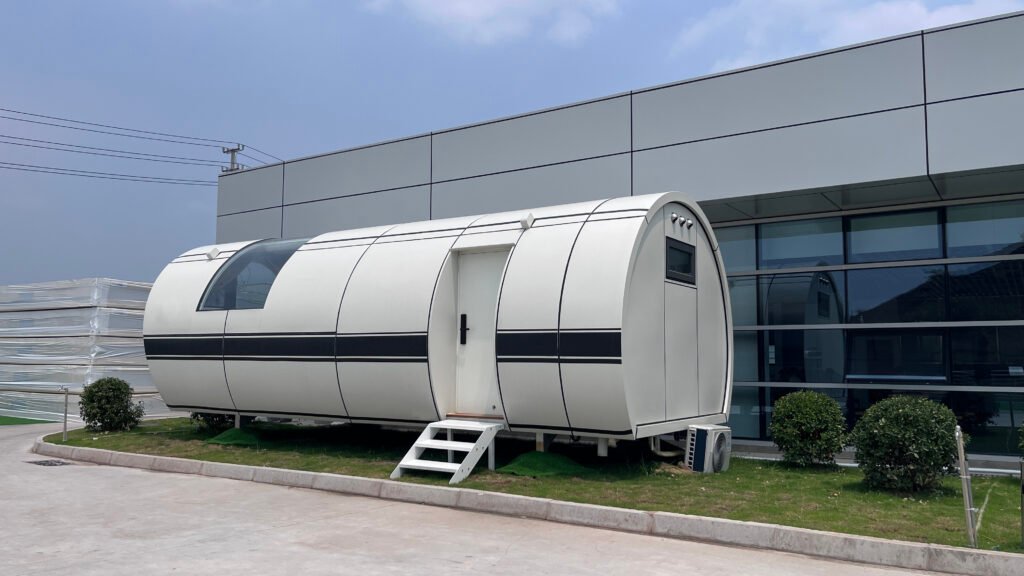
The sum up is portable houses can last a long time if you build and care for them correctly. They are not just temporary houses – when made well, they stand strong for decades. Container homes are a great example. They use strong steel and components “built for endurance”.
Check Glamni’s portable house options for a lasting home solution.