Skip to content


Prefab homes are becoming very popular because they save time, reduce cost, and offer clean, predictable construction. Many buyers still wonder whether they are truly worth the investment and how they compare with traditional builds.
Prefab homes are worth considering when you want fast build time, predictable quality, lower waste, and better cost control. Factory production avoids weather delays, keeps quality consistent, reduces labor, and speeds installation. Value depends on land prep, local rules, use, and long-term performance.
In this article you will learn how prefab housing works, its key benefits, potential risks, and the factors that decide whether it is a good investment for your home, resort, or business project
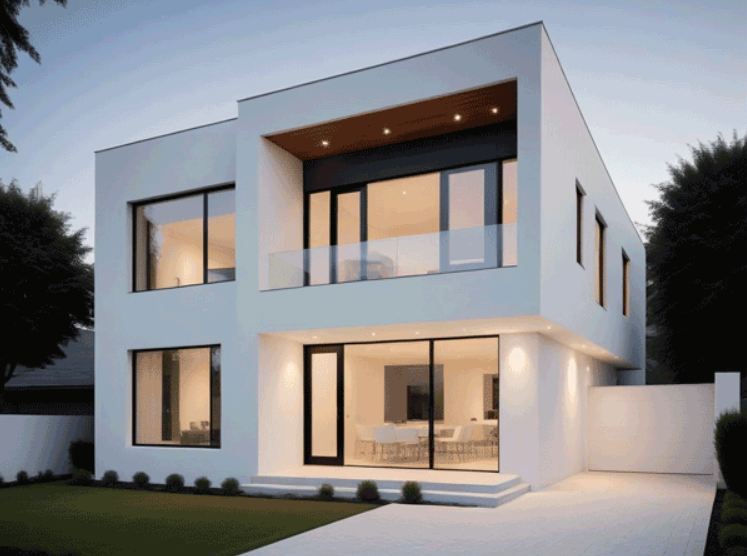
1) What is a prefab house, and how does it work?
A prefab home is a home that is built in a factory. Craftsmen create the large parts of the house in-house. Then these parts are shipped to your location, where they are assembled to make the house. This way, the house is built quickly and cleanly. There are different types of prefab homes.
- The first type is modular homes. These homes come in large prefabricated blocks. Craftsmen place these blocks at your location and easily assemble them.
- The second type is kit-style homes. These homes come in small sections. You assemble these sections with simple instructions. Both types save time and avoid lengthy construction work.
Building a house in a factory is very different from regular construction. Inside the factory, there is no impact from rain, dust, or strong winds. Therefore, the work does not stop. The quality also remains the same. In regular construction, work can be stopped due to the weather, availability of tools, and labor. This also increases the time and changes the cost.
Many resorts and glamping sites use prefab homes. These homes are easy to set up, take up less space, and are ready to go quickly. This way, you can open your site quickly, add more units whenever you want, and provide your guests with comfortable, ready-made rooms.
2) Key Advantages That Make Prefab Homes Worth Considering
Prefab homes offer several strong benefits. Each benefit builds on the next. This makes your whole construction process easier for you.

i) Fast production and quick installation
It all starts in the factory. Craftsmen build the major parts of the home in-house. This keeps the work fast and continuous. At the same time, the foundation can also be ready on site. When both processes go hand in hand, it saves a lot of time.
Afterward, the finished parts arrive at your site, and workers quickly assemble them. This way, the home is ready in weeks, not months. This saves you time and labor.
ii) Consistent quality and fewer delays
With speed comes improved quality. Since it is manufactured in-house, rain, dust, or heat do not stop the work. Parts are checked at every stage, so the quality remains consistent. Moreover, the weather is not an issue, so the project runs on time.
You do not have to face unnecessary delays or sudden stops. This gives peace of mind, and the timeline is also clear.
iii) Less waste of labor and better budget control
When the work is done with a fixed system, it also becomes easier to control the budget. Everything is measured and cut accurately in the factory, so there is very little waste of material. There is also less on-site work, which reduces labor costs.
There is less room for error, and the chances of sudden cost increases are also reduced. This way, you can budget the entire project with more confidence.
iv) Easy flexibility for resorts and glamping sites
This budget control also provides flexibility going forward. Many resort and glamping owners prefer prefab units because they are easy to install in groups. If your project grows, you can add more units later. If a unit needs repairs, it can be easily replaced or removed.
This also makes expansion easier and allows guests to meet their needs more quickly.
v) Fast production and quick installation
It all starts in the factory. Craftsmen make the major parts of the house inside. So the work is fast and continuous. At the same time, the foundation can also be ready on site. When the finished parts arrive at your site, workers simply assemble them.
This way, the house is ready in weeks, not months. This saves both time and labor.
vi) Consistent quality and fewer delays
Each part is tested in the factory. This way, the quality is constantly improved. Since the work is done indoors, rain, dust, or heat cannot stop the work. This keeps the project on schedule, and you do not have to face unexpected delays. It is also good for your peace of mind.
vii) Energy savings and long-term value
Ultimately, all of these benefits add up to a longer lifespan for the home. The insulation and sealing are done very carefully at the factory. This keeps the home cooler in the summer and warmer in the winter. Your energy bills are lower, and the home is more comfortable.
Good insulation also protects the structure, making the home last longer. Over time, lower costs, fewer repairs, and better performance increase the value of your investment.
3) Factors That Decide Whether a Prefab Home Is Worth the Investment
After seeing the many benefits of prefab homes, you may be wondering whether they are right for you. They save time, money, and energy, but some important factors help you decide if this investment is worthwhile for you. Understanding these points will help keep your home safe, comfortable, and valuable for the long term.

a) Land Preparation Requirements
First of all, you will need to prepare your land. You will need a solid foundation so that the house can stand securely. You will also need to make sure that water, electricity, and heating connections are already available.
If your land is far from utilities, costs can be higher. You should prepare the land in advance so that installation is easy and hassle-free.
b) Local laws and zoning rules
Next, you will need to know the building codes in your area. Some areas have restrictions, size limits, or special permits for prefab homes. If you check the laws in advance, you can avoid fines and delays. This helps keep your timeline and budget on track.
c) Level of Customization
Then, you need to decide whether you want a simple or highly customized home. Additional rooms, luxury finishes, or unique designs can increase your cost. More customization can also increase delivery and installation times.
If you want your home to be ready quickly, choosing a simple model can save you time and money. Decide up front what features are most important to you.
d) Intended Use
Also, you need to think about what you will use the home for. Will you use it for personal living, a resort, glamping, or commercial rental? Your purpose will influence the size, layout, and choice of materials.
For example, if you are building units for a resort, you may want sturdy floors and easy-to-clean surfaces. Planning your use from the start will make your investment more effective.
e) Life Expectancy and Maintenance Requirements
After that, you need to look at how long your prefab home can last and how much maintenance it requires. Some homes require little maintenance, while others require regular checks. If you plan properly, your home will remain safe, comfortable, and valuable for a long time.
f) Local Market and Resale Value
You also need to look at how much demand there is for prefab homes in your area. In some areas, people generally prefer to buy traditional homes, which can lower the resale value. If you are planning to sell your home in the future, it is important to know the local market situation.
This information will help you make a better decision and ensure a return on your investment.
4) Risks and Limitations Buyers Should Be Aware Of
Now that you have seen the benefits and investment factors of prefab homes, it is also important to know that there are some risks and limitations. Understanding them will make your decision safe and effective.
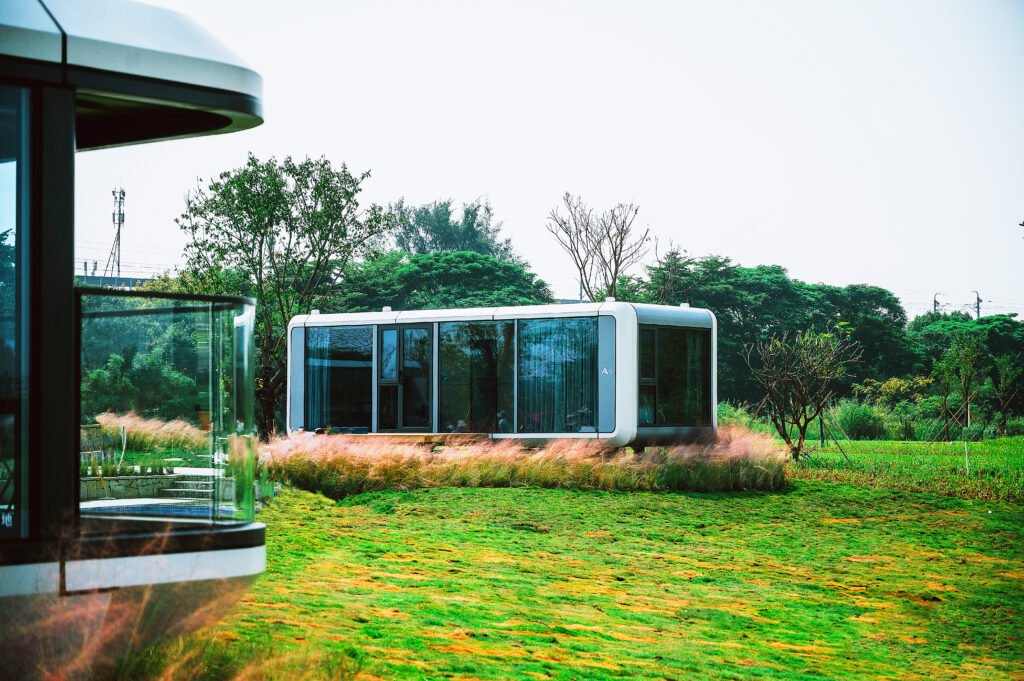
Shipping and Transport Costs: First of all, if your land is remote or in a difficult location, the cost of transporting prefab units can be high. Sometimes a crane or special transport may be required. These additional costs can affect your budget. It is best to plan your delivery in advance to avoid unexpected costs.
Price differences and customization: Next, more customization or long-distance delivery can increase the price. If you want special designs or luxury features, this can increase both the cost and delivery time. So first decide which items are really necessary and which ones fit your budget.
Market Misconceptions: Then, in some areas, people have misconceptions about prefab homes. They think that they are flimsy or temporary, even though the quality can be good. If you are thinking of selling or renting, it is important to know this fact. You should plan according to the local market to protect your investment.
Design and Size Limitations: After that, some units may be limited in size due to highway or transportation laws. This may affect your design or room layout. You should check in advance whether your unit is easily accessible.
Challenges in resale or value: At last, demand for prefabricated homes may be low in some areas. This may reduce resale or value, even if the home is in good condition. If you are planning to sell your home in the future, it is important to know the local market. This information will help you understand the risks of investing and make an informed decision.
5) Practical Tips for Making a Smart Prefab Home Investment
Now that you understand the benefits, factors, and potential risks, you should also consider some practical tips. These tips will help you make your investment safer and more profitable.
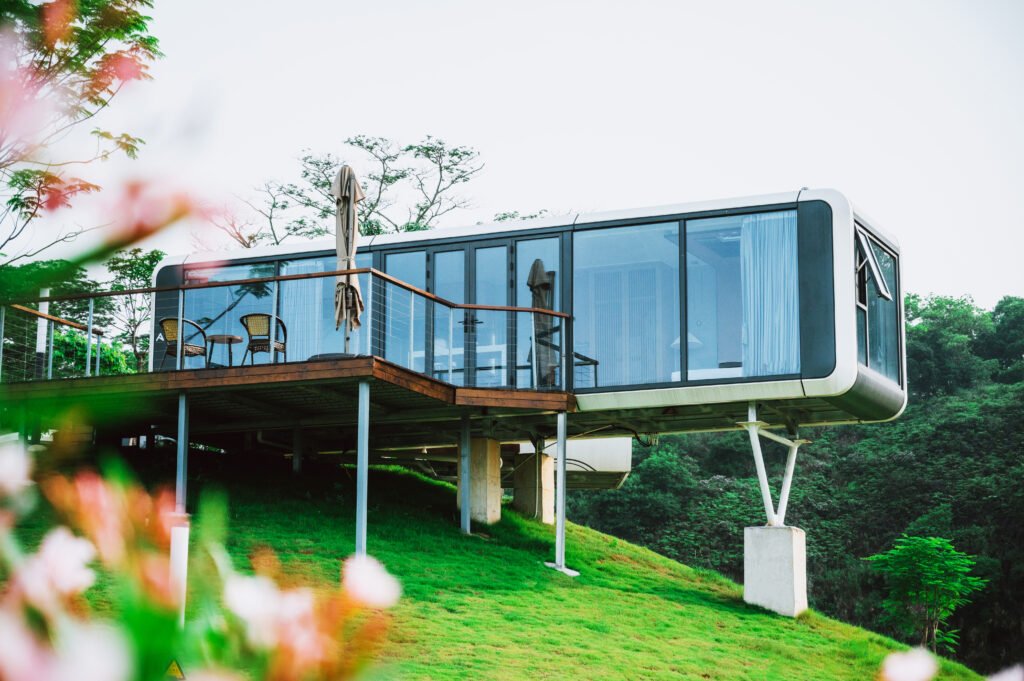
i) Compare the total project cost: First of all, you should look at the total project cost instead of just looking at the price of the house. This should include installation, land preparation, water, electricity, and heating connections. Comparing the total cost will help you plan your budget better and avoid unexpected expenses.
ii) Choose a reliable supplier: Next, you should choose a supplier that has proven manufacturing capabilities and consistent quality. This ensures that your home is ready on time and without any quality issues. Look at the supplier’s previous projects and visit the factory if possible.
iii) Structural Materials, Insulation, and Weatherization: Then, you should test the materials and insulation to ensure that the home is suitable for your area’s climate. This helps keep the home warm in the winter and cool in the summer, and reduces your energy bills. Choosing the right materials for the weather will increase both the lifespan and comfort of your home.
iv) Planning for Future Expansion or Remodeling: After that, if your project grows, you should plan for additional units or relocating the home in the future. This advanced thinking makes expansion easier and less expensive. You should also check whether the existing design is compatible with the new units.
v) Considerations for Commercial Use: Also, if you are planning to use the home for rental or resort purposes, you should evaluate the rental yield, payback period, and occupancy potential. This information helps you understand how quickly the investment will be repaid and how stable the income will be. This makes your investment safer and more profitable.
vi) Check maintenance and warranty: At last, iou should also check whether the supplier provides a warranty and to what extent maintenance facilities are available. This saves you from unexpected expenses and repair problems in the future. If you think about home maintenance and warranty in advance, the investment becomes safer and more profitable in the long run.
Conclusion
In short, prefabricated houses save you time, money, and energy. But it’s important to understand the benefits, risks, and investment factors to make the right decision. Also, you need to consider the land, laws, budget, and future planning.
Furthermore, if you want a safe and quality prefab home, we at Glamni offer you the best solutions and high-quality prefab homes. Our Prefab homes come with modern designs and sturdy construction. You can easily build your dream home with us and benefit from quick installation.