Skip to content


As soon as the air becomes humid, water droplets, fog, and moisture start covering the windows of your capsule house. You may wonder whether there is any leak or problem with the sealing. Actually, condensation happens when the indoor humid air strikes the cooler surface. The moisture in the air becomes cool and forms tiny droplets of water. You will often see these drops during cold weather when the humidity level in the air increases.
So, the problem is not with the window sealing system. Still, higher levels of condensation can’t be ignored. It can lead to damaged seals, poor ventilation, and glazing problems. Therefore, understanding the right solution for condensation can help you a lot. So, let’s see the reasons for condensation and how you can reduce it.
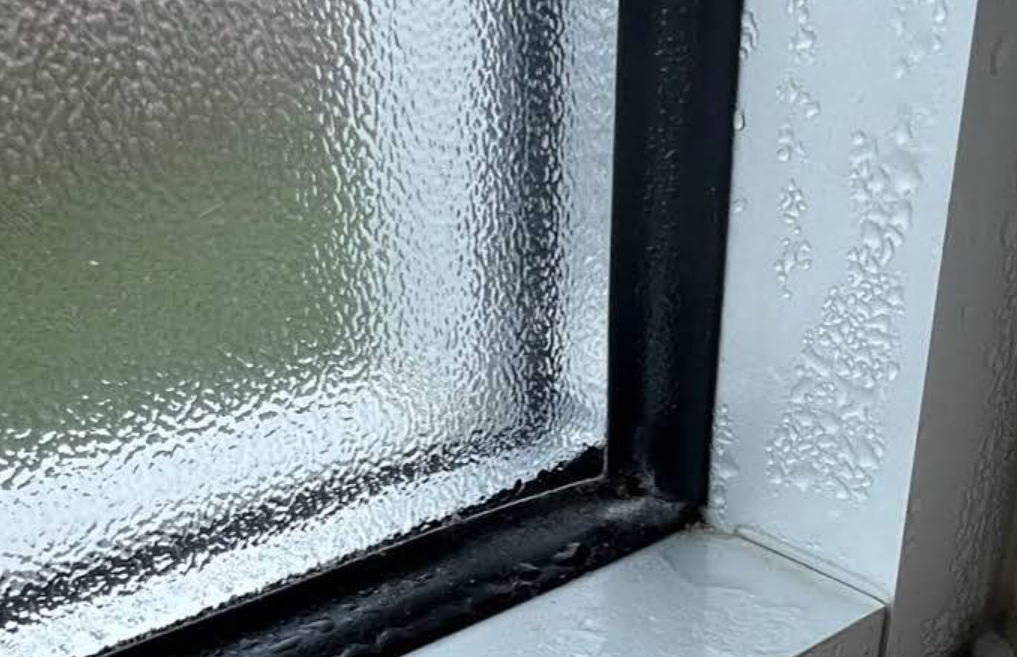
1) Why Does Condensation Form on Capsule House Windows?
For condensation to happen, there are two main conditions. There should be moisture in the air, and the surface should be cool. A capsule house often experiences both conditions as it has limited indoor space. Daily activities can increase the moisture in the air.
Indoor and Outdoor Temperature Differences
Temperature difference is the key cause of condensation. Warm air can hold more moisture than cold air. When this warm air touches the cold surface of the glass, the moisture in the air condenses. It starts collecting on the surface and solidifies.
This problem is more common in winters. Due to the cooler outdoor temperature, the outer windows become cold. And the inside moisture finds a place to condense on.
Humidity Builds Up Quickly in Small Spaces
In compact living areas, humidity increases quickly. Due to daily activities like cooking, bathing, and drying clothes, moisture is released into the air. In fact, when we breathe, we also add moisture to the space. So, without good ventilation, all this moisture gets stuck in the indoor space.
Compared to a conventional home, a space capsule house has less air volume. So, there are more chances of humidity in a capsule house compared to a conventional home. When the moisture sources become active, humidity increases rapidly. Once this humid air meets the cold surface, it starts creating droplets. Well, to keep the indoor moisture in control, make sure there is proper ventilation.
2) How Window Design Affects Condensation
The design of your capsule house window also affects the level of condensation. The thermal performance of windows depends on their glass, frames, and seal. If the window is designed well, the surface will become less cold.
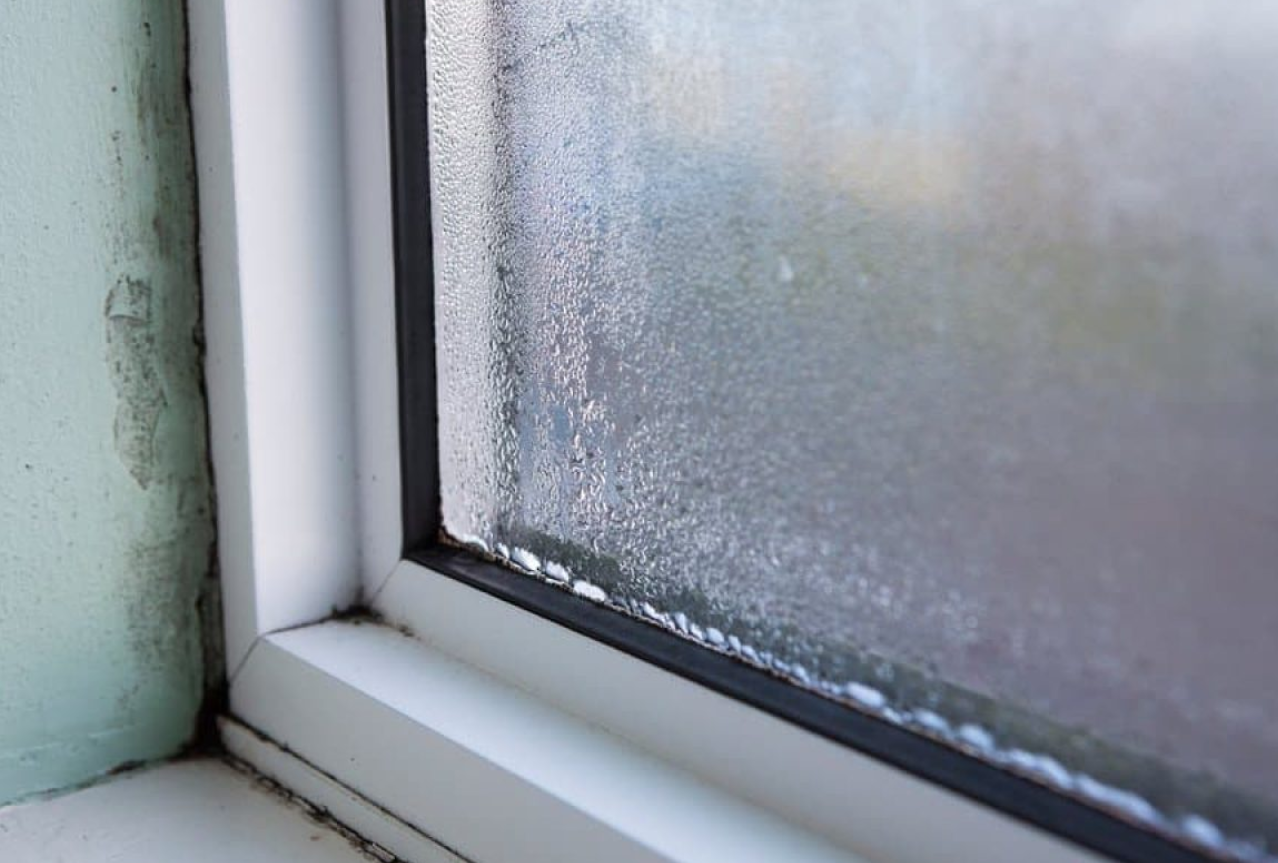
Insulated Glass
Insulated glass is best to reduce condensation on windows. If we talk about double-glazed windows, they contain two glass panes. These panes have an insulating space between them. So, the outdoor temperature only cools the outer pane of the window. The inner pane remains warmer.
This way, there are fewer chances of condensation on windows. But keep in mind, double glazing does not completely prevent condensation; it only controls. With insulated glass, even high humidity can’t cause higher collection of moisture on windows.
You can learn more about this topic in Are Capsule House Windows Double or Triple Glazed?
Window Frames
Window frames also become colder when the temperature drops. Their construction and the material affect how they pass heat. Some frames can transfer heat more easily than others. If the thermal performance is poor, there will be more cold spots around the window.
Yes! You will see condensation around the edges before it appear on the glass of the window. This is because the frame and edges become cold faster than the glass. So, proper construction of the glass makes the overall window performance better. Therefore, while selecting the window for your capsule house, do not consider only glass.
Seals Around the Window
If the windows are sealed, there will be less air movement around the frame. So, the interior moisture finds fewer chances to interact with the outside moisture. Good seals reduce the cold spots caused by air leakage.
3) How to Reduce Window Condensation in a Space Capsule House
By controlling the moisture and temperature indoors, you can control the condensation. With daily habits and proper ventilation, you can make a big difference. Well, the goal is straightforward: to reduce the humidity and keep the windows warm.
Improve Ventilation
First, improve the ventilation of your capsule house. You can use bathroom exhaust fans during and after taking a bath. Also use kitchen exhaust to remove the steam released during cooking. These simple measures can prevent moisture from spreading inside the capsule house.
If your capsule house has a fresh air system, then well and good. Well, you can open windows when outdoor conditions allow. But during humid weather, opening windows can’t be helpful. Therefore, before increasing the ventilation, check the humidity level of indoor and outdoors.
Control Indoor Humidity
Secondly, try controlling the humidity of your capsule house. To reduce the humidity, you can use a dehumidifier. It removes the excess moisture from the air and makes the environment more comfortable. Also, try to reduce unnecessary sources of moisture. While showering, keep the door closed and turn the exhaust fan on.
In addition, avoid drying clothes inside the house. Although these changes are small, they make a huge difference.
Keep Indoor Temperatures More Stable
Large temperature changes can increase condensation. Try to maintain a reasonably stable indoor temperature throughout the day. During cold weather, proper heating can keep interior window surfaces warmer. This can reduce the chance of moisture forming on the glass.
You should also avoid blocking airflow around your windows. Furniture placed directly against a window can restrict warm air movement. Heavy curtains can create a similar problem when they remain closed for long periods. Leave enough space for air to circulate around the window.
4) Condensation or Water Leak: How Can You Tell the Difference?
Water around a window does not necessarily mean the window is leaking. Sometimes condensation and water intrusion may look similar, but their patterns are different.
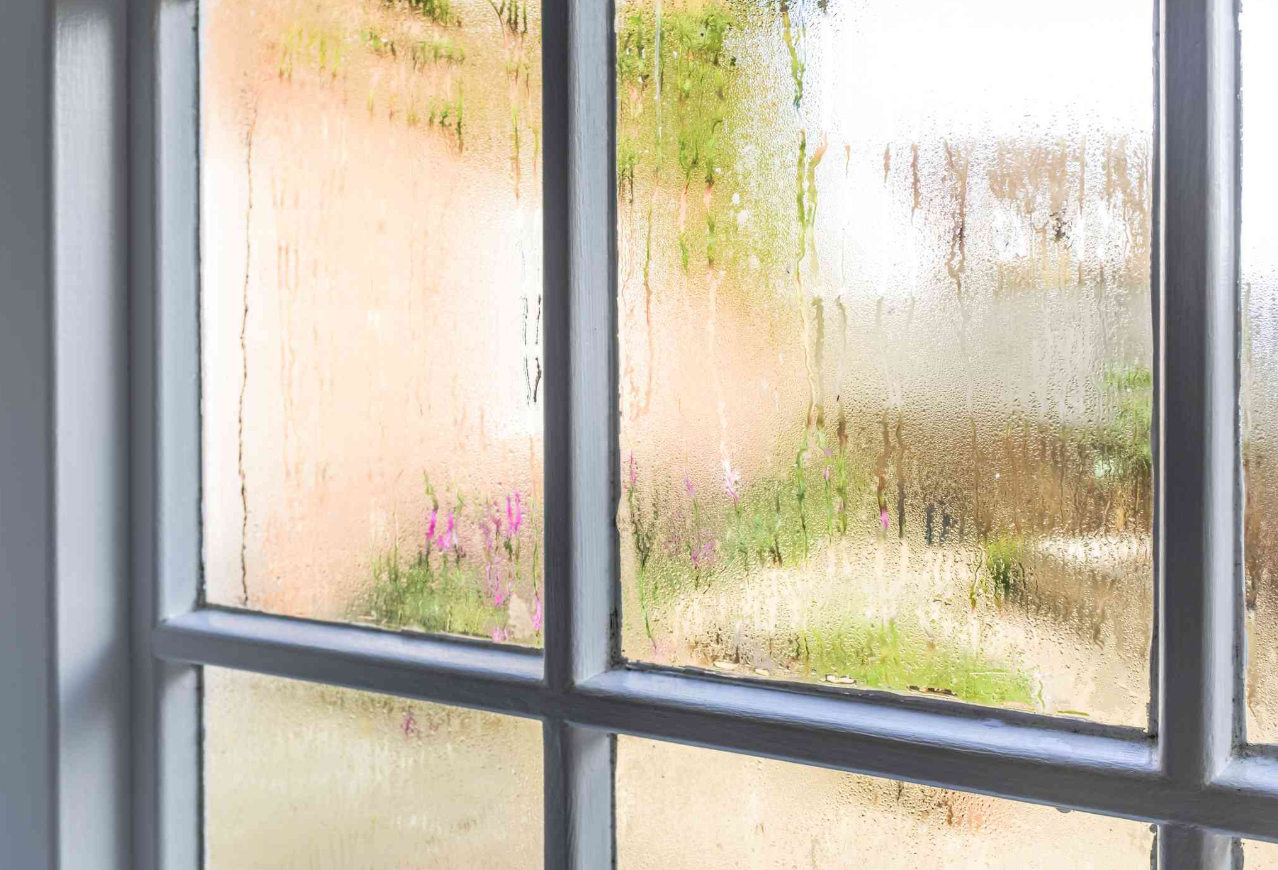
Normal Surface Condensation
When you see water droplets on the room-facing surface of glass, it is normal condensation. It usually appears in the form of fog, a thin layer of moisture, or small droplets. Also, condensation usually appears during cold weather or when the humidity in the air is high.
Well, when you lower indoor humidity, the condensation automatically decreases. Also, proper ventilation makes the glass clearer. So, if the level of water around the window changes by changing the indoor humidity, most likely it is condensation. In case of a window leak, there will be no difference in water level by changing the humidity level.
Possible Window or Seal Problems
When you repeatedly see water around the windows, it needs more attention. You should check for cracked gaskets, damaged sealants, and visible gaps around the windows. Damp areas on the surrounding wall or interior finish can also be warning signs.
A possible leak may continue even when indoor humidity is normal. Rainy weather can make outside water intrusion more noticeable. Poor installation can also create gaps where water can enter. If you suspect a leak, have the window inspected instead of assuming it is condensation.
5) How Climate Affects Capsule House Window Condensation
Local climate has a direct effect on the condensation. Different climates like cold, coastal, and humid create different moisture conditions. When you understand the climate, you can better manage the condensation.
Cold Climates
Cold climates make the outdoor air colder, which makes a big difference between outdoor and indoor air. This way, the surfaces of the window become colder. Ultimately, the condensation increases as the temperature difference increases.
Insulating glazing is useful in cold regions. If you keep the interior warmer, it will keep the interior surface of the window warmer. But heating is not the final solution; you also have to use proper ventilation and control the moisture in proper ways.
If you live in a cold region, prepare your capsule house before winter. Check your windows, seals, heating system, and ventilation. You can also read How to Winterise a Capsule House in Cold Climates for more guidance.
Hot and Humid Climates
Hot and humid climates can also create condensation issues. Outdoor air may have a high amount of moisture. And when you use strong air conditioning, it makes the windows cooler. When outdoor humid air touches these surfaces, it condenses.
This can happen even when the outdoor temperature is very high. Proper air conditioning, ventilation, and humidity control can help manage the issue. If you see high indoor humidity, you can use a dehumidifier. Also, try not to let the moisture get stuck indoors when you perform daily activities like cooking and showering.
Coastal Areas
Coastal areas often have consistently high humidity. This can make moisture control more challenging throughout the year. Window condensation may therefore occur more frequently.
Coastal environments can also expose window components to salty air. Frames, hardware, and seals should receive regular attention. Look for signs of corrosion, seal damage, or moisture around the frame. Early inspection can help prevent small issues from becoming larger problems.
6) Frequently Asked Questions
Is condensation on capsule house windows normal?
Yes, some condensation can be normal under certain conditions. It usually forms when humid indoor air touches a cold window surface. Cold weather and high indoor humidity can make it more noticeable. However, persistent moisture should be investigated.
Do double-glazed windows prevent condensation?
Double-glazed windows can reduce condensation, but they cannot prevent it completely. Their design helps keep the inner glass surface warmer. However, high indoor humidity can still cause moisture to form. Proper ventilation and humidity control remain important.
Can Low-E glass help reduce window condensation?
Low-E glass can improve the thermal performance of a window. It helps keep the interior glass surface warmer in many conditions. This can reduce the chance of surface condensation. However, Low-E glass cannot remove excess moisture from indoor air.
Why is there moisture between the glass panes?
Moisture between glass panes can indicate a failed insulated glass seal. This is different from condensation on the room-facing surface. Persistent fogging inside the glazing unit should be inspected. The glazing unit may require repair or replacement.
Does opening the windows help prevent condensation?
Opening windows can reduce indoor humidity when outdoor conditions are suitable. It allows humid indoor air to escape and fresh air to enter. However, this may not help when outdoor humidity is already high. Use ventilation based on your indoor and outdoor conditions.
Can window condensation cause mold?
Persistent moisture can increase the risk of mold around damp surfaces. Mold can develop when moisture remains for long periods. Keeping window areas dry can help reduce this risk. You should also improve ventilation and check for leaks when dampness continues.
7) Conclusion
Okay, so condensation usually appears due to high indoor humidity and cold window surfaces. Water around windows does not necessarily mean the window is leaking; it may be condensed moisture.
Well, if you control the indoor humidity and improve the flow of air in your capsule house, you can reduce the condensation issue. Additionally, stable indoor temperatures and good insulation can help a lot.
When choosing a capsule house, consider the window design and your local climate. You should also check the home's insulation, ventilation, and sealing quality. GLAMNI provides capsule house solutions designed around practical and comfortable living. Explore the available options to find a capsule house that suits your needs.
You can also use the Capsule House Buyer Questions Checklist before making your purchase. It can help you ask better questions about windows, materials, insulation, and other important features.
For more information about capsule house construction, explore What Are the Primary Materials Used in Capsule Houses?