Skip to content


Have you considered renting out a capsule house? Capsule homes are eye-catching. This is why they can make your listing unique. The global “glamping market” is booming, projected to exceed $5 billion by 2027. A well placed capsule house can pay for itself. Like one research analysis shows a $25K–$50K pod renting at $100–$180/night (60–70% occupancy) pays off in under 2 years. Today’s rental market is crowded, so you need something that stops guests from scrolling. And capsule pods do exactly that: their sleek look and massive windows are share-worthy.
In this article, you’ll learn why hosts choose capsule houses, what sites work best, and how to plan for success.
Why Airbnb Hosts Consider Capsule Houses
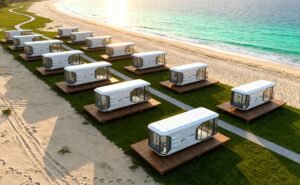
We all know capsule homes are compact, self-contained and visually appealing. You will find guests love the novelty. A capsule pod looks more futuristic and memorable than a basic cabin. This exactly helps your listing stand out in search results and on social media. You may notice capsule houses are going viral these days on social media. All because of the polished exterior and panoramic windows give guests “something they want to photograph and share”.
These houses’ unique design can “bump your click-through rates”. Their compact layout is a great fit for couples, solo travelers or small family getaways. You can start with one pod as a test and then add more if it works. Many hosts like capsule houses for their speed. As they arrive pre-built, you could start hosting within weeks instead of years for construction.
What Kind of Airbnb Site Fits a Capsule House?
You should pick a site with scenic land, mountains, lakes, forests, coastlines or countryside that will make the most of the capsule’s huge window.
➜ Prefab pods work best near tourist spots, meaning near lakes, parks, trails or beaches. Even suburban backyards near attractions can do well if styled right.
➜ The most important thing is to give guests enough privacy and a parking spot. Ensure there’s a clear access road, outdoor lighting and no steep paths.
➜ You’ll also need infrastructure. So, make sure you have power and water on site (or plan for off-grid solutions). Also, provide Wi-Fi with a strong signal.
➜ The most important step is making sure short-term rentals are allowed by local zoning and housing codes.
The key is you should think like a guest. Like, is there something nearby to do? A lakeside, trail or vineyard can bring visitors. Ideally, pick a site of about half an acre. So guests have privacy from neighbors and enough room to park.
How Capsule Houses Affect Listing Performance
Your photos are your first impression, and a capsule house shines here. One says “a capsule pod’s exterior sells the listing photo and the interior delivers the 5-star review”. This means the pod’s distinctive shape, deck and windows can grab attention in the cover shot. On Airbnb, your cover image must immediately show why guests should click. Think about night photos or sunrise shots through the big window to make people stop scrolling. Because the design is so unique, guests mostly post their own photos.
In fact, “capsule homes are Instagram-worthy,” meaning guests will actively share them and give you free social buzz.
Does a Capsule House Meet the 75-55 Rule and 80/20 Rule for Airbnb?
You may have heard of the 75/55 rule for airbnb. This rule means a rental needs to book about 75% of nights at nearly 55% of the local average rate to be financially viable. In many markets, hitting 75% occupancy means covering your mortgage, platform fees and insurance. A capsule pod can mostly meet this by pricing competitively and using its novelty factor.
The 80/20 rule is about 80% of your revenue will come from just 20% of your bookings (usually peak weekends or holidays). In other words, you have to focus on filling those high-demand dates with smart pricing.
What Guests Actually Care About After Check-In
Your capsule can look great in photos, but guests care about comfort and convenience too.
- You have to provide an ensuite clean bathroom with reliable hot water. Also, showers need to work well.
- You have to offer a clean, comfortable bed (queen-size if possible) with fresh linens.
- You have to make sure heating or cooling is effective. Because big windows can get hot or cold. Good window shades and also provide a good ambience.
- Guests also expect privacy and a quiet environment.
- Ease of check-in is equally important. You have to consider a smart lock or clear instructions so arriving is simple.
In the end we can only say “a good capsule house Airbnb needs both visual appeal and basic hotel-like comfort”.
Operating Costs Airbnb Hosts Should Calculate
Running your capsule rental has real expenses to budget for. Plan for these costs:
- Cleaning:
You’ll clean the unit after each guest. Professional turnover cleaning can cost you around $50 to $200 every time. Do a deep clean (or hire a handyman) after a few months. This will keep your appliances and surfaces refreshed.
- Guest supplies:
You have to stock bedding, towels, toiletries and amenities (toilet paper, soap, coffee, etc). These small costs eventually add up with each new guest.
- Utilities:
Heating, cooling, electricity, water and internet will eat into profit. Expect higher bills since guests don’t worry about consumption (they might leave AC on). Budget for good Wi-Fi too.
- Maintenance plus Repairs:
We all know house components wear out. So, you have to keep a budget for fixing doors, locks, appliances, plumbing or HVAC over time. A wood deck or cabin shell may need periodic repainting or repairs.
- Platform fees and taxes:
Airbnb takes about 3–15% per booking. You may have to pay insurance or occupancy taxes or property management. For example, many states require hosts to collect a lodging tax.
- Vacancy days:
No rental books every night. Even a busy host has some empty days. In many markets the best you can do is ~25 booked nights per month. Plan for this when estimating income.
- Initial setup:
Don’t forget upfront costs. A capsule unit might cost $40K–$60K. Then add delivery, crane, foundation and utility hookups. For example, a capsule buying price $45K + shipping $10K + crane $3K + foundation $4K + utilities $8K + deck $15K = $85K total. So, knowing all costs in advance avoids any surprises.
Common Mistakes When Using Capsule Houses for Airbnb
If you want to succeed then you have to avoid these pitfalls:
Buying on looks alone:
A shiny photo is tempting, but a low-quality capsule may fail in practice. Experts warn that the cheapest pods “may photograph well… but won’t deliver 5-star reviews, survive a difficult climate, or hold value”. Pick quality construction over a quick discount.
Ignoring regulations:
Always check local rules before you host. Don’t assume a capsule house is automatically allowed. You might need a business license, building inspection, or special permit. Airbnb advises checking zoning codes and housing rules first. Breaking these rules can mean fines or being forced to shut down.
Poor site choice:
A good capsule house in the wrong spot can flop. Avoid locations without any view, privacy or guest interest. Make sure guests can easily find and park at your site.
Underestimating effort:
Pods look small but they still need work. Guests will expect hotel-like service. You might find cleaning a tiny curved floor or changing sheets is harder than you thought. Leaving mess or not responding to issues quickly can hurt your reviews.
Picking the wrong model:
Some capsule models are too small or not built for your climate. Don’t cram more guests than designed. For example, squeezing four adults into a two-person pod will upset people. Check insulation ratings, a pod with R-5 insulation is fine in summer but woeful in winter.
Neglecting the full experience:
Remember, reviews cover everything. Even if your capsule house’s design is stunning, guests will notice if the bed sags, noise is loud or instructions are confusing. So, keep your service friendly and reliable from booking to checkout.

How to Choose a Capsule House Model for Airbnb
Always match the design to your needs. Consider to check these:
1. Guest type:
You have to plan for your ideal guest. A cozy 280–320sq ft capsule is ideal for couples. A large model capsule is needed for families or groups. If you aim for luxury glamping, then choose a high-end pod with better insulation and finishes.
2. Layout:
Your main priority is guest comfort. So, you have to focus on the capsule house’ layout. Make sure the bathroom is in a good layout and feels modern. You need to position the bed to face the window and view. Also, provide enough closet or shelf space so guests can unpack. Good lighting and ventilation are very very important. Also pick easy-to-clean interiors (simple paint or wood, minimal carpet).
3. Climate features:
You have to inspect the specs. As a rule, demand high insulation (walls/roof R-15 or more) and good windows. Cheap pods mostly come with only R-5–R-8 insulation, which won’t cut it outside tropical zones. Also, make sure the model has heating and AC sized for your weather.
4. Premium extras:
If you want to charge top dollar, then add outdoor comforts. You can go for (or add on) a deck or patio with seating, ambient string lighting or maybe a fire pit. Orient the home so the morning sun lights the cabin… but isn’t blinding your sleeping guests. These touches can be as important as the interior in a luxury stay.
Conclusion
Capsule homes can become a smart, eye-catching choice for an Airbnb rental only if you plan them carefully. They naturally grab attention in listings. But these houses must deliver on comfort and legality too. When well-chosen and managed, a capsule pod blends novelty with profit potential.
We have no hesitation in affirming that you can consider a capsule home as an innovative way to use your land and attract guests.