Skip to content


Have you ever wondered if living in the tiny house is actually comfortable? Many people enjoy a short stay, but permanent residence can feel completely different. Also, comfort depends on design, storage, ventilation, and how well the space fits your lifestyle.
Living in a tiny house can be comfortable, but it depends on design, lifestyle, and climate. A well-designed tiny house with good storage, insulation, ventilation, and functional spaces can provide a comfortable living experience. However, limited space, temperature changes, and storage challenges may make tiny house living less comfortable for some people.
In this article, we’ll look at the kitchen, bathroom, sleeping area, temperature, and humidity control. So you can decide if a mini house is right for you.
1) Compare short stays with full-time living in a tiny house
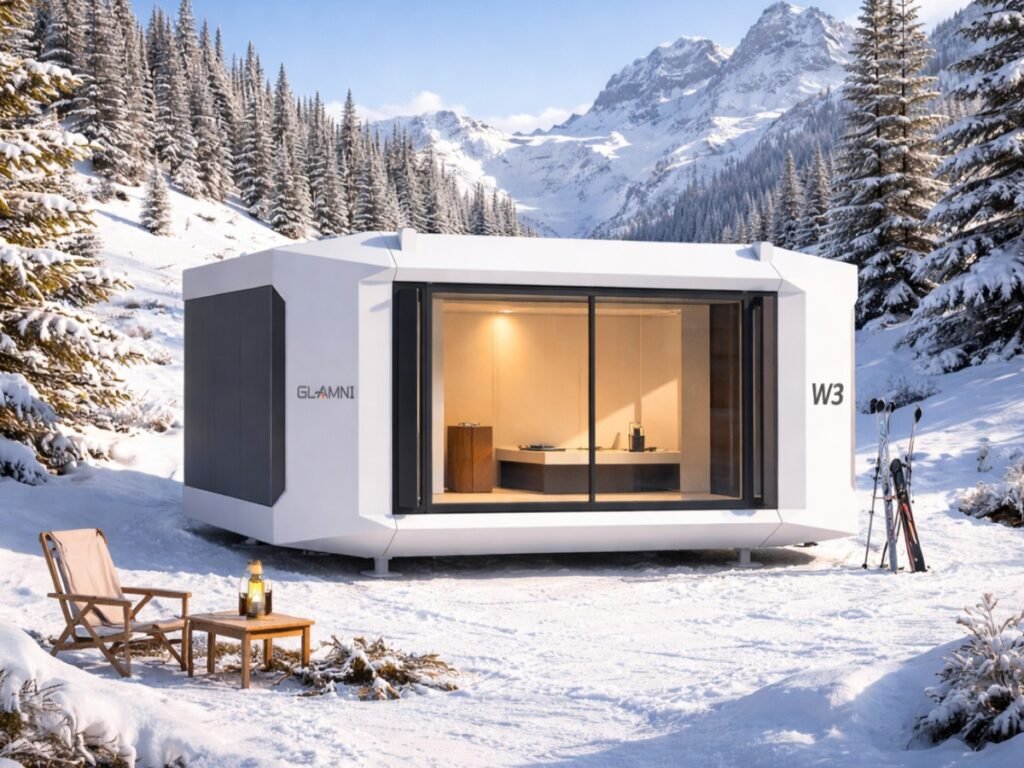
Living in a small house for a weekend often feels peaceful and enjoyable. You carry less stuff. There’s less cleaning to do. Life feels simple and slow. Many people like its relaxed atmosphere. It’s a nice break from busy life. A small space feels organized and convenient for a short time.
But after a few months, problems start to arise. It becomes difficult to fit all your belongings in a limited space. You have to decide what to keep and what to remove. Some people even experience stress due to the lack of personal space. Small problems can become big over time.
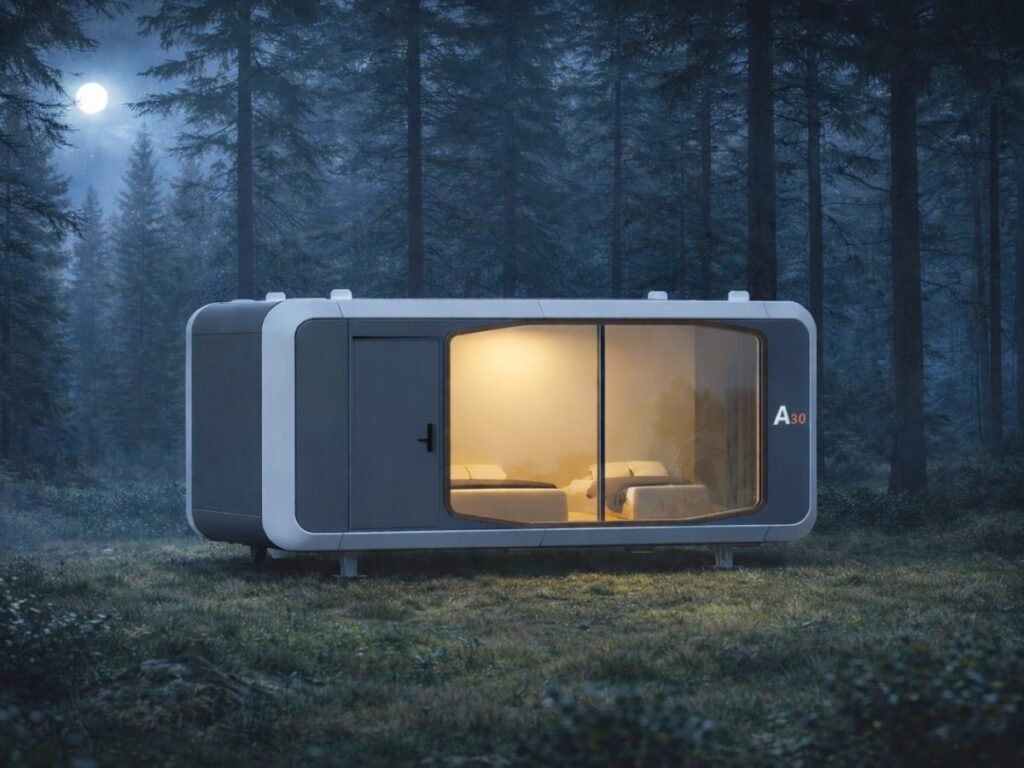
The difference in storage becomes clear during permanent residence. Strict discipline is essential in a tiny house. Everything should have a specific place. If this is not the case, clutter quickly builds up. Most tiny houses have less storage than regular homes. This sometimes means that things have to be stored in strange places.
A short stay feels comfortable because you treat it like a vacation. Living full-time is different. Every day, stuff slowly fills up the space. Without good planning, clutter and stress can quickly build up.
2) When small spaces feel comfortable and when they feel stressful
Small spaces feel comfortable when their layout supports your daily routine. First, a good layout makes daily tasks easier. Important spaces are close to each other. For example, keeping the kitchen close to storage saves time and effort. In addition, open floor plans make small homes feel less cramped. Large windows and natural light improve the mood. As a result, bright spaces feel larger and more spacious. When everything has a designated place, everyday life is easier.
However, cramped spaces create stress when it becomes difficult to move around. Tight corners and closed paths can become a daily hassle. For example, you can bump into furniture or have difficulty lifting items. Misplaced doors, cabinets, or appliances can waste valuable space. Over time, these small problems can become tiresome. Living in a cramped space every day can affect your comfort.
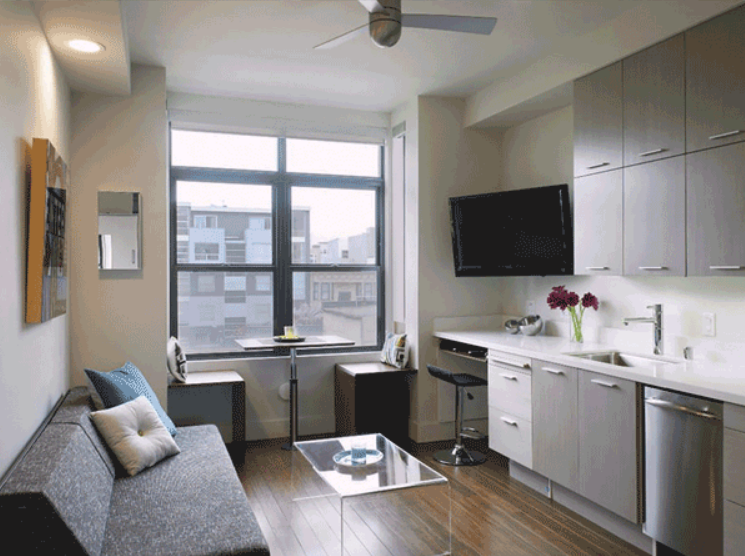
The next important point is clear walkways, which are very important in a tiny house. You need a safe place to walk comfortably. Especially when you’re cooking or cleaning. Clear paths reduce accidents. Still, even small objects on the floor can be a nuisance. Good design makes movement easier. That’s why everyday life feels less difficult.
Furthermore, vertical and hidden storage is very beneficial. Wall shelves, under-bed storage, and foldable furniture save space. Hidden storage makes the house look neat. It also keeps things organized.
Finally, loft beds save space but are not always the best. They look cozy. But the heat goes up, so lofts can be hot. Ground-floor beds are easy to use and safe. Stairs and ladders affect everyday comfort. Ladders save space but can be difficult. Stairs, on the other hand, are safe but take up more space.
3) How temperature control affects comfort in tiny homes
Temperature can have a big impact on the comfort of your tiny house. Because the space is small, even small changes in the weather can affect your daily life. Therefore, controlling the temperature is essential for year-round comfort.

i) Quicker weather effects in tiny houses
A tiny home reacts more quickly to weather changes than a larger house. Because the space is small, heat or cold spreads quickly. On a sunny day, a tiny house can heat up in a matter of minutes. On the contrary, it cools down very quickly on cold nights. As a result, it is important to take care of the temperature for comfort in tiny houses.
ii) Comfort issues in winter
In winter, a tiny house can feel stuffy or cold if the insulation is not adequate. Gaps in single-pane windows and doors increase heat loss. For example, you may feel cold spots near the floor or windows. If there is no proper heating, the space quickly becomes uncomfortable. Cold can make daily life difficult while cooking, sleeping, or working.
iii) Summer Heat Issues
In the summer, temperatures can rise very quickly in small houses, especially in sunny areas. Small rooms trap heat and make it difficult to stay cool. If there is no shade or ventilation, temperatures rise quickly. As a result, excessive heat can make sleeping and daily tasks difficult. Fans, windows, and reflective ceilings help, but a cooling system is still necessary.
iv) Heating and Cooling System Options
Furthermore, tiny houses can use small HVAC units, mini-splits, or portable heaters and air conditioners. Each option has its pros and cons. Mini-splits provide a consistent temperature and are energy efficient. Portable units are flexible but cannot provide a uniform temperature. Therefore, choosing the right system depends on the layout of the home, insulation, and local weather.
v) The Role of Insulation and Air Sealing
In addition, insulation and air sealing are essential for comfort. Good insulation keeps heat in during the winter and keeps heat out during the summer. Also, sealing gaps around windows, doors, and vents reduces drafts. As a result, proper insulation saves energy and keeps temperatures consistent year-round.
vi) Choosing a system for your local climate
Finally, it’s important to choose your heating and cooling system for your local climate. A system that works well in colder climates may provide more cooling in warmer climates. Similarly, hot and humid climates require stronger ventilation and cooling. This way, you can choose the most efficient system. Proper planning ensures that your tiny house stays comfortable in winter and cool in summer.
4) Why do moisture and ventilation problems reduce comfort quickly
Humidity and ventilation issues can quickly make a tiny house uncomfortable. Because the space is small, humidity and heavy air can build up quickly. Tiny houses tend to hold more moisture than larger homes. Due to limited air circulation and compact design, humidity spreads quickly throughout the house. As a result, the indoor air feels heavy and unpleasant.

→ Why does humidity build up quickly in tiny houses?
Moisture builds up quickly in tiny houses because there is less space. Everyday activities like cooking, bathing, or breathing release moisture into the air. Since the air volume is small, this moisture doesn’t disperse as quickly. Without proper ventilation, the moisture remains, and the environment feels humid.
a) Main sources of indoor humidity
The main sources of indoor humidity include showers, cooking, laundry, and plants. In addition, leaks in the ceiling, walls, or pipes can also create excess moisture. If these sources are not controlled, the accumulation of water can affect both comfort and health.
b) Signs of ventilation failure
Signs of ventilation failure include condensation on windows, bad odors, and wet spots on walls or ceilings. Over time, these problems can build up and make a home feel stuffy and uncomfortable. Poor ventilation also increases the risk of mold growth.
c) Mold and Odor Hazards
Mold grows quickly in damp environments. Furthermore, persistent moisture can damage furniture, surfaces, and appliances and cause odors.
d) Practical Ways to Control Humidity
Exhaust fans, dehumidifiers, and opening windows can help control humidity. Also, repairing leaks and checking ducts can reduce humidity. Proper air circulation ensures that fresh air is constantly coming in and the space is comfortable.
e) Long-Term Structural Damage Hazards
If moisture is ignored, it can cause structural problems. Wood can rot, metal can rust, and insulation can lose its effectiveness. Ultimately, this not only reduces comfort but also increases repair costs. Proper ventilation and humidity control are essential to keeping a tiny house safe, healthy, and comfortable.
5) How kitchens, bathrooms, and sleeping areas affect daily comfort
The comfort of your kitchen, bathroom, and sleeping area in a tiny house largely depends on your kitchen, bathroom, and sleeping area. Because these spaces are small, careful planning makes life easier and more enjoyable.
i) Kitchen Comfort
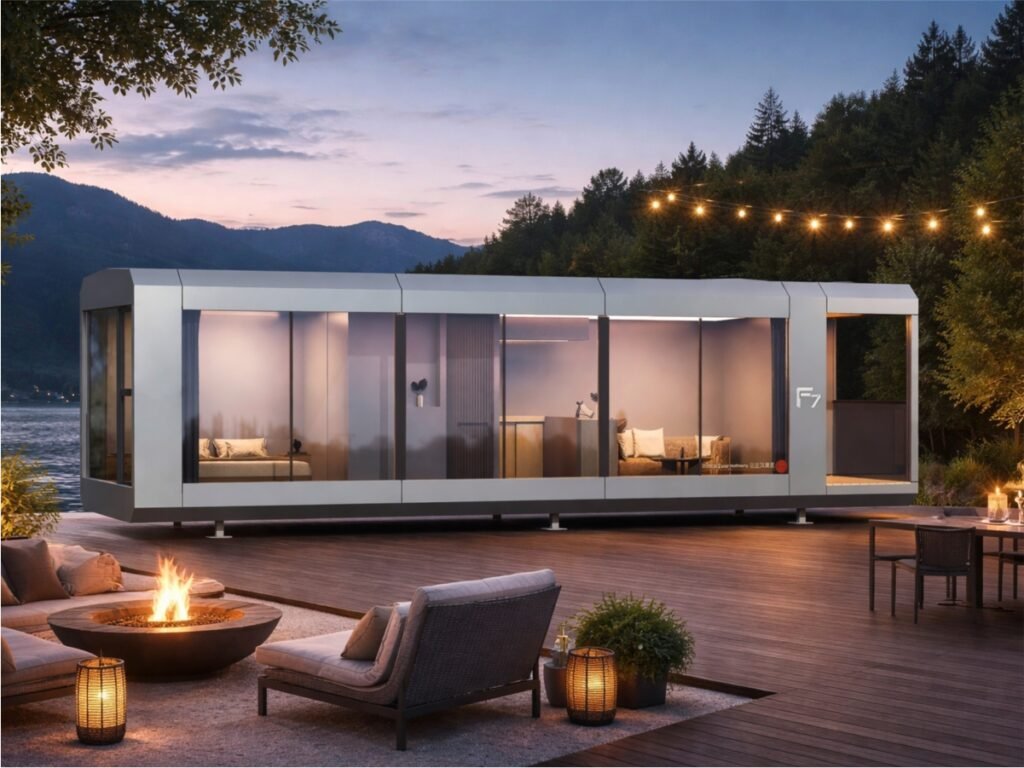
A well-designed kitchen improves your daily life. First of all, counter space is very important. There should be enough space for food preparation. In addition, it is important to have the right workflow. Having the stove, sink, and storage close by saves time and effort. Storage for food and utensils is also important. Cabinets, shelves, and pull-out drawers help keep things organized. Moreover, good ventilation is very important. Exhaust fans or windows will remove smoke, odors, and moisture, keeping the air fresh. If this is not the case, even a short cooking session can create an uncomfortable atmosphere in the home.
ii) Bathroom Comfort
Tiny house bathrooms can be cramped, so design is important. The shower should be large enough to allow for easy movement. Proper drainage prevents water from pooling on the floor. In addition, you can choose between a wet bath or a dry bath. A wet bath uses the entire bathroom, but requires careful drying. A dry bath separates the shower area, which reduces humidity. Also, it is important to control moisture and odors quickly. Fans, vents, and moisture-proof materials keep the bathroom fresh and safe.
iii) Sleeping comfort
Your bed and sleeping space affect comfort. The size of the bed and the quality of the mattress are important for proper sleep. Loft beds save space, but heat accumulates at the top, so air circulation should be balanced. A ground-level bed is easy to use and safe. Moreover, the sound of rain, wind, or traffic can disrupt sleep. Proper insulation, window placement, and soundproofing measures improve comfort.
iv) Work and rest convenience
If you work from home or use electronics, a desk and seating area are important. In addition, lighting and power outlets should be sufficient for daily work. The space and correct position of the screen make you comfortable and productive.
In short, considering the design of the kitchen, bathroom, and sleeping area improves daily comfort. Thus, by optimizing space, storage, ventilation, and furniture, you can live effectively without feeling cramped.
6) Is a tiny house comfortable for your lifestyle
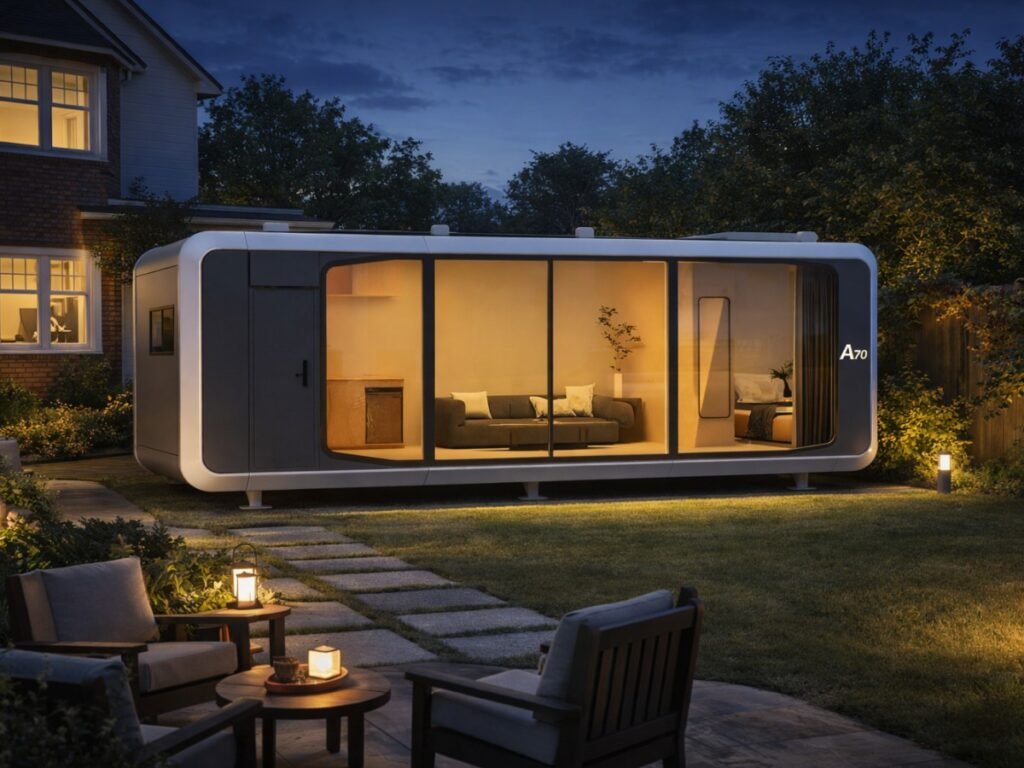
Whether a tiny house is comfortable for you depends on your lifestyle, physical needs, and local weather. First, consider your lifestyle. Tiny houses are perfect for those who like simplicity and minimal use. If you like to spend time outdoors or travel frequently, a small space can feel freer, not more restrictive. However, if you have hobbies that require a lot of equipment or you often invite guests, a limited space can feel uncomfortable.
a) Lifestyle Compatibility
A tiny house is best suited when your daily habits match the space. Cooking, cleaning, and storage should be easily organized. In addition, social habits are also important. If you often invite guests or want a private space for work or study, a tiny house may feel cramped. Therefore, it is very important to understand your daily needs.
b) Physical Compatibility
Physical comfort is also important. Loft beds, stairs, and compact furniture can be challenging for children, the elderly, or those with mobility issues. Furthermore, repeatedly climbing or bending stairs can become tiring over time. Ground-level beds and easy layouts improve comfort for everyone. As a result, it’s important to assess your physical needs so that the space is safe and comfortable for your daily activities.
c) Weather Compatibility
The weather also affects comfort in a tiny house. Small spaces tend to heat up quickly in the summer and cool down quickly in the winter. If you live in a harsh climate, heating, cooling, and insulation should be adequate. Ventilation is essential for controlling humidity. In addition, windows, shades, and air circulation also help to keep temperatures balanced.
In short, a tiny house can be comfortable when it suits your lifestyle, physical needs, and local weather. That way, careful planning can help make the space feel comfortable, functional, and safe every day.
Conclusion
In short, living in a tiny house can be comfortable. But it should suit your lifestyle, physical needs, and the weather. Furthermore, good design, storage, and ventilation make everyday life easier. As a result, a tiny house feels comfortable, practical, and peaceful.
We, at Glamni, provide comfortable tiny houses. In addition, smart layouts, proper ventilation, and clever storage enhance ease of use. In this way, your tiny house remains comfortable and efficient.