Skip to content


Tiny homes are gaining popularity because they offer a simple and affordable way of living. People like them for their low costs and low environmental impact. Also, they are especially flexible for those who want mobile housing or seasonal living.
Tiny houses are worth it for people who want lower upfront cost, reduced monthly expenses, and a simpler lifestyle. They work best for singles or couples who can live with limited space, fewer belongings, and local zoning constraints.
But the question is, are tiny houses really the right fit for your lifestyle? This article aims to explain the benefits and challenges. Also, you will understand the usefulness of tiny house living. So you can decide if this lifestyle is right for you.

1) What Makes Tiny Houses Appealing?
Tiny houses appeal to many people because they change the way they live their daily lives. You focus on how much space you have instead of the size of the house. For many, this change gives them a sense of freedom. You spend less time maintaining the house and more time enjoying life. A tiny house feels simple and willful.
i) Low initial cost
The biggest advantage of small homes is their low initial cost. They are much cheaper than regular houses. In most cases, you don’t need to take out a long-term loan. This way, you can get your home without having to pay for several years of debt. This is a big advantage for those who want financial freedom.
Since space is limited, spending on furniture is also less. You don’t need large or extra furniture. Renovation costs are also limited. Due to the limited space, changes also have to be reduced. This makes it easier to budget.
ii) Lower Monthly Costs
Next, small houses also have lower monthly costs. A smaller space uses less energy. There is less need for heating in the winter and cooling in the summer. Electricity bills are also lower because there are fewer lights and appliances. Over time, these savings become significant.
Also, maintenance is easier. Cleaning takes less time and effort. Cleaning supplies are also used less. Repair costs are reduced because there are fewer things to break. This saves you both money and time.
iii) Sustainable and Simple lifestyle
After that, tiny houses promote an environmentally friendly lifestyle. They use fewer materials in their construction. They also require less energy in everyday use. This reduces the impact on the environment. For many people, it is a more responsible way to live.
Living in a tiny house forces you to adopt simplicity. There is no room for unnecessary things. You only keep the things that are really important. This reduces stress and brings peace of mind.
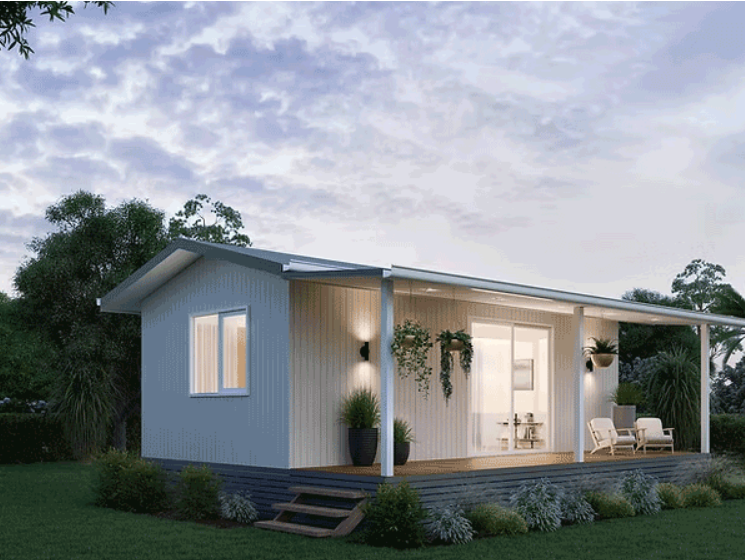
iv) Mobility and Flexibility (for towable units)
At last, towable mini homes offer a convenience that traditional homes don’t. You can take your home with you when your life changes. This is beneficial for work, travel, or seasonal living. You’re not tied to one place forever.
This flexibility is very appealing to those who value freedom. You can change your home along with your life. Your home doesn’t get in the way of you, but moves with your needs.
2) The Real Challenges of Tiny House Living
Tiny houses may look simple from the outside, but living in one presents a number of real challenges. You need to understand these issues before you make a decision. What works for one person may not necessarily work for you.
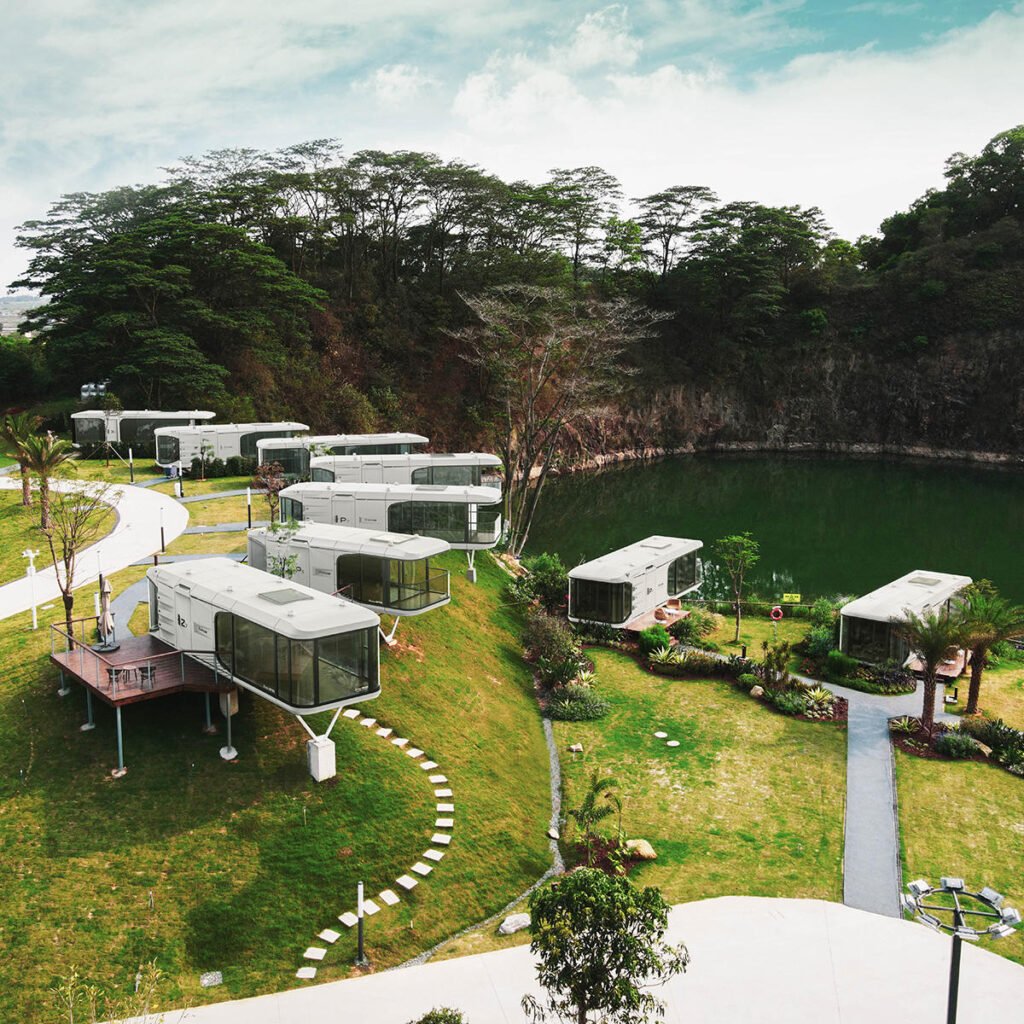
→ Very limited space
The biggest problem with tiny houses is the lack of space. Storage is very limited, so you can’t keep a lot of stuff. Everything needs to have a purpose. If you like open space, this can be stressful.
Privacy is also an issue. There are few or no separate rooms. It can be difficult for you to get some alone time. Staying inside for long periods of time can feel uncomfortable.
Tiny houses are often difficult for families. Children need space to play and grow. Pets also need space to move around. If you have hobbies like sewing, music, or exercise, space can quickly become scarce. You may have to give up a lot of things.
→ Hidden or additional costs
After that, many people think that tiny houses are always cheaper. This is not the case. You may have to buy or rent land. Depending on the area, land can be quite expensive.
You also need water, electricity, and sewer connections. This arrangement often proves to be expensive. In some cases, off-grid systems add even more expense. These costs are often overlooked at the outset.
Furthermore, permits and zoning laws are also a big issue. Many areas do not allow tiny houses. There may be restrictions on size, location, or permanent residence. This limits your options.
Financing and insurance are also not easy. Some banks do not lend money for tiny houses. Insurance options may be limited or expensive. This makes planning even more difficult.
→ Lifestyle restrictions
Also, living in a tiny house changes your daily life. It becomes difficult to invite guests. There is less space for extra sleeping or sitting. Social activities may feel limited.
A small space can be stressful for couples. You spend more time in close proximity to each other. Finding peace after a disagreement can be difficult. Better communication is essential.
So if you are used to spacious homes, a tiny house may not be the right fit for you. Large kitchens, spacious closets, and separate bedrooms are not possible here. Traditional homes offer convenience that a tiny house cannot.
→ Resale and long-term value issues
At last, tiny houses do not always increase in value over time. Sometimes they are treated more like a car than a property. This means that their value may decrease.
Tiny homes for sale can be difficult. The number of buyers is limited. Not everyone wants to live in a tiny house. This can make selling difficult or less profitable.
3) Who Are Tiny Houses Actually Worth It For?
Tiny houses are not for everyone. They are better suited to people with specific lifestyles and needs. Before you make a decision, you should understand which category you fall into.
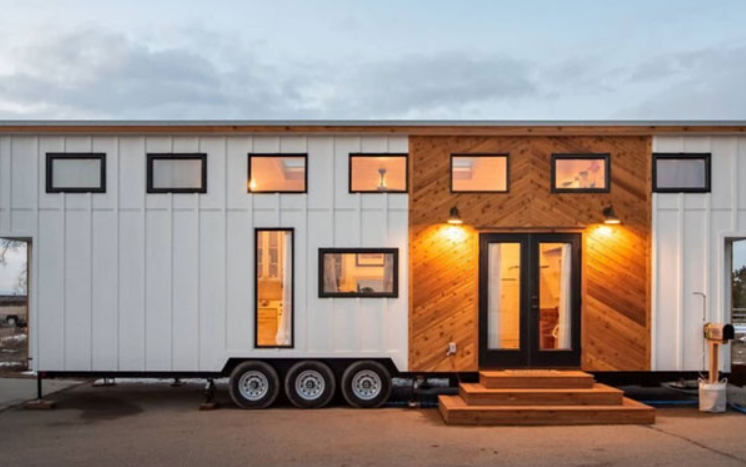
a) They Are Worth It If You
- Live alone or with a partner: If you live alone or with just one partner, a tiny house may be enough for you. With fewer people, space doesn’t feel cramped. Daily life is easier and more organized.
- Prefer simple or eco-friendly living: If you like simplicity, a tiny house fits your way of thinking. Having fewer belongings makes it easier to manage your home. If protecting the environment is important to you, a tiny house could be a good choice. Less energy and resources are used.
- Want lower monthly expenses: Tiny houses help reduce monthly expenses. Electricity and maintenance costs are lower. If you want to avoid long-term debt, this lifestyle can give you financial peace of mind.
- Adapts to change easily: Living in a tiny house requires flexibility. You have to change your habits. If you feel comfortable with a simple routine and a simple life, this lifestyle may be enjoyable for you.
b) They May Not Be Worth It If You
- You Have Kids or Need Extra Rooms: Tiny houses are often difficult for families. Children need space to play and have privacy. If you need separate rooms, a tiny house may feel restrictive.
- You have a lot of stuff: Well, if you have a lot of equipment, tools, or machinery, storage can be a problem. If you don’t want to part with your belongings, a tiny house can be a problem.
- You Want Long Term Property Value: Some people buy a house as an investment. Tiny houses don’t always increase in value over time. If you want long-term financial gain, a traditional home may be better.
- You Prefer Social Living: If you like to entertain, a tiny house may be restrictive. Gatherings are difficult due to the limited space. If comfort, spaciousness, and traditional living are important to you, a tiny house may not meet your expectations.
4) Practical Questions to Ask Before Deciding
Before you buy a tiny house, there are some practical questions you should ask yourself. These will help you understand if this lifestyle is really right for you. Tiny houses are not just about the small size, but also about finances, legal rules, and everyday habits.
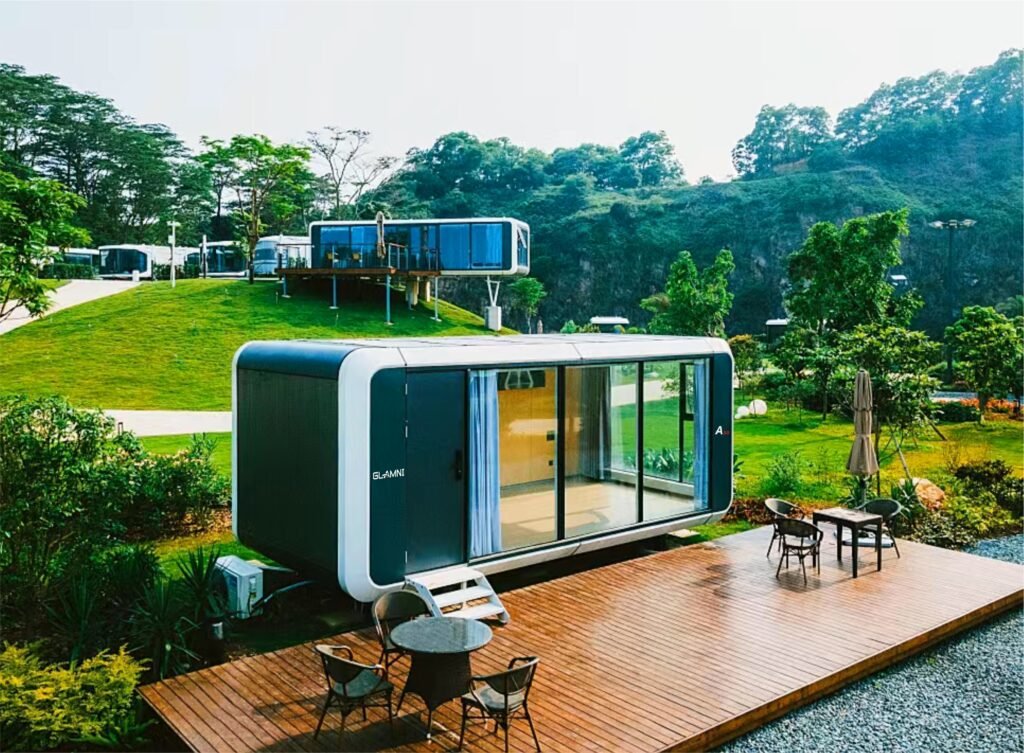
i) Do you already own land?
Land is a key factor. If you already own land, the process becomes easier. Otherwise, buying or renting land can be expensive and complicated. Some areas have limited space or strict laws for tiny houses.
ii) How much will utilities and setup cost?
A tiny house requires water, electricity, sewage, and sometimes internet. Setting up these services can be expensive, especially in remote areas. So it’s important to set up a budget in advance.
iii) Do local zoning laws allow a tiny house?
Zoning and permits are very important. Many areas have minimum size rules or do not allow tiny houses. It’s important to check the rules to avoid fines or the need to move.
iv) Permanent residence, vacation, or rental?
Your goal will influence your planning. For permanent residence, comfort and full amenities are essential. For vacations, more flexibility is possible. Renting involves finding and maintaining tenants.
v) Can you reduce your belongings?
It’s possible to keep only the essentials in a tiny house. Ask yourself if you can leave unnecessary items behind. Make this decision honestly so that you don’t feel overwhelmed and stressed during your stay.
Final Thoughts
In short, tiny houses offer you a simple, affordable, and flexible lifestyle. But they aren’t for everyone. Also, they’re great for those who prefer simplicity, low-cost, and mobile living. But also, they can be difficult for families or those who need more space. So you consider land, utilities, zoning, and the ability to decrease before making a decision.
At Glamni, we offer you expert guidance on tiny house living. From choosing the right land to zoning laws and utility setup, we also ensure you make informed decisions. Furthermore, our resources help you reduce inventory and have a happy tiny house experience.