Skip to content


You all better know that interior designing is not just about looks; it’s about how you actually feel living in. That’s why the focus of the capsule house world is on using every inch wisely, with purpose and style. The goal is making your small space feel effortless — open, cozy and quietly elegant — without trying too hard.
Keep reading if you want to learn how to arrange and decorate your capsule house.

Why interior design matters
“Your interior design shapes your guests’ opening impression plus your satisfaction.”
It’s reality that a well-decorated room looks better in photos and feels welcoming. This means visitors enjoy it more and you get better reviews or a higher quality of life. Good design also makes cleaning and maintenance faster. For example: in a small room, you just need simple and clear layouts to feel calm.
Moreover, keep walkways open and uncluttered so you can move easily. Also, let natural light flood the space plus allow fresh air to circulate. This simple plus fresh approach makes your tiny capsule room feel cozy, comfortable and breathable.
Structure basics straight walls and service core
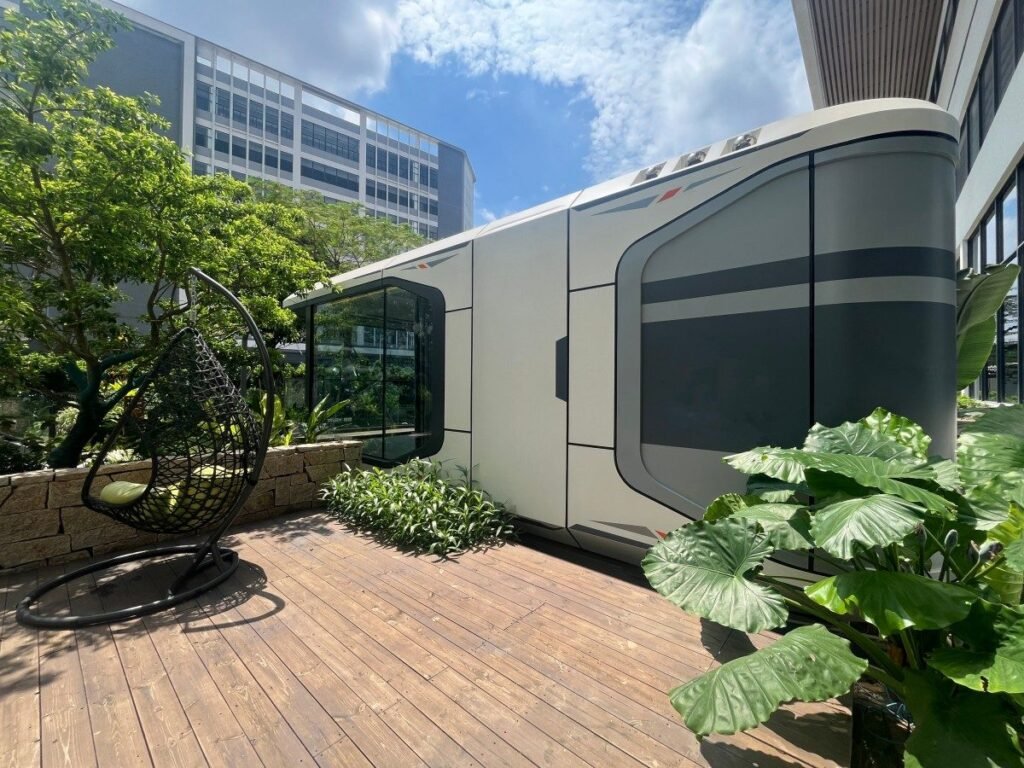
Capsule houses basically have a simple rectangular exterior with a fixed steel frame. That means your walls are straight and plumbing or wiring runs only through specific “service” walls. That is why you need to plan the kitchen and bathroom along the service wall where pipes and vents already exist. This keeps construction simpler.
Moreover, leave space or a small hatch for maintenance access. For example: install a removable panel so you can reach hidden pipes or valves. Because this panel allows you to service plumbing without tearing into the wall.
Layout and circulation
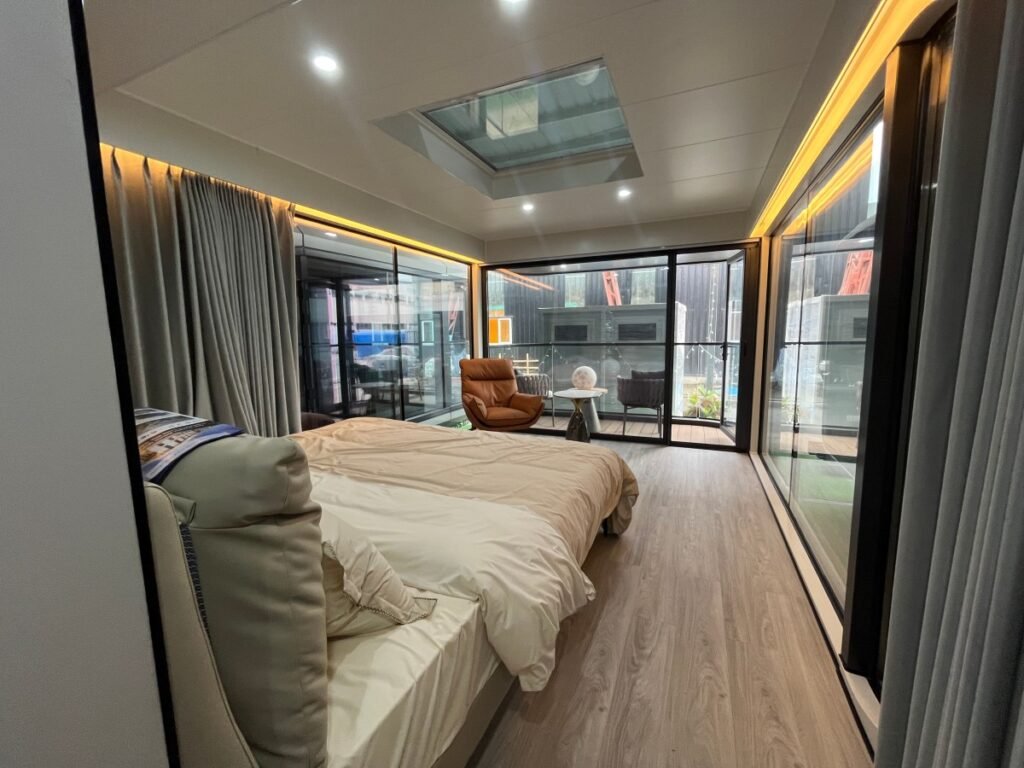
The next thing is: plan to divide your room into clear zones: sleeping, sitting and storage. For example: at one end, put your bed then a chair or small sofa in the middle and then closets or shelves on the other wall. This makes the space feel calm the moment you walk inside.
Simply the technique is to keep a straight path from entrance to bed to bathroom. Also, avoid blocking this line with furniture. Moreover, leave enough space for doors (closet, bathroom) to swing freely.
Hence when you enter, your eye should naturally follow a clear path without obstructions. This simple circulation keeps your room open and relaxing, even in a limited space.
Storage on flat walls
The sensible move is to use long straight walls for “storage” to maximize space. For this, install shallow cabinets or open shelves along one wall. You can plan a shelf or cabinet above the head of the bed and add hooks or rails through the entry for coats and bags.
However, it is best to use closed front storage (cabinets or wardrobes). Because doors and drawers can hide clutter and keep the dust out.
We all know, in capsule houses, space is at a premium so built-in furniture and organized storage are solutions. For example: consider toe-kick drawers under a cabinet or bed frame to use even the low areas.
Windows daylight and privacy
Next, consider placing windows to allow natural light into the room. The idea is: put windows on a wall where sunlight can spread but won’t shine directly on your bed or desk. Therefore, the strategic placement of your windows and mirrors makes your space feel spacious.
Also, you may want privacy at the same time. For this, use simple blinds, shades or curtains to cover windows when you need to.
Thus, in a small capsule’s room, balanced daylight and the option to block it, make sure you get both a view and privacy without sacrificing light.
Lighting for comfort and tasks
The next important thing is: layer your lighting. For this, use a bright ceiling light for common lighting plus add task lights where you need them.
Moreover, plan to add a soft ambient light and also a bedside reading light. This mix allows you to light up only what you need and when you need.
Also, choose light bulb colors that are perfect for each space. For example: warm white light (2700-3000K) near the bed or lounge area. And a neutral white light (3500-4100K) is better at a desk or kitchen counter.
Natural air and control moisture
Another most important thing is to keep natural fresh air flowing and control moisture. For this, provide ventilation that runs quietly in the background or on a timer. For example: a small bathroom fan should vent air outside strictly, not into an attic or another room. If possible, install a continuous ventilation or even a trickle vent at the top of a wall.
Furthermore, seal all gaps around pipes, vents or electrical fittings to stop moisture. Another thing is: in the shower or bathroom floor, slope the floor slightly toward the drain. This way, water won’t pool on the floor and will run off quickly. Your goal should be that walls and floors dry fast after use.
Quiet room and easy finishes
Everyone wants a quiet and calm room plus surfaces that are easy to clean. You can soften sounds by adding things: hang curtains over windows, place a rug on the floor and add an upholstered headboard or fabric wall panel behind the bed. Because these materials absorb noise.
Moreover, place door seals and soft close hinges on cabinets and drawers so that they close quietly. Plus select low-VOC paint and materials for wall and furniture. Because low-VOC paints release fewer chemicals in air.
Also, pick light colored, wipeable surfaces (satin or eggshell paint or laminate) that resist scratches and stains. As light colors keep the room bright and help in hiding dust. While durable finishes let you wipe the room clean in seconds. Together all these choices will cut noise and make upkeep easy.
Power and service access
The last basic is planning outlets and panels carefully. For this, put power outlets and USB charging ports at bed height and desk height. This means you can easily plug in phones or lamps without reaching under furniture.
Plus, if building codes allow then reserve one outlet and space near the floor for a small appliance (kettle, hot plate, mini-fridge) in your bedroom or common area.
Moreover, inside the electrical panel, label every circuit clearly. So you or an electrician know which switch controls which light or outlet. Also, make sure any service panels (electrical or plumbing) stay accessible. Don’t block them with fixed furniture. For example: do not put a wardrobe in front of a fuse box. If you keep panels visible and avoid blocking them, you’ll have no trouble fixing things later.
Conclusion
Here, you have read the essentials to make your capsule’s room both small and comfortable. By following the above steps (clear zoning, built-in storage, well placed windows, layered lighting, good ventilation, sound softening, smart outlets) you can transform even your tiny house into a cozy little space. The thing is: always start interior design with clear and thoughtful planning.
You can now apply these design principles to your own capsule room or order a customized capsule house from us.